


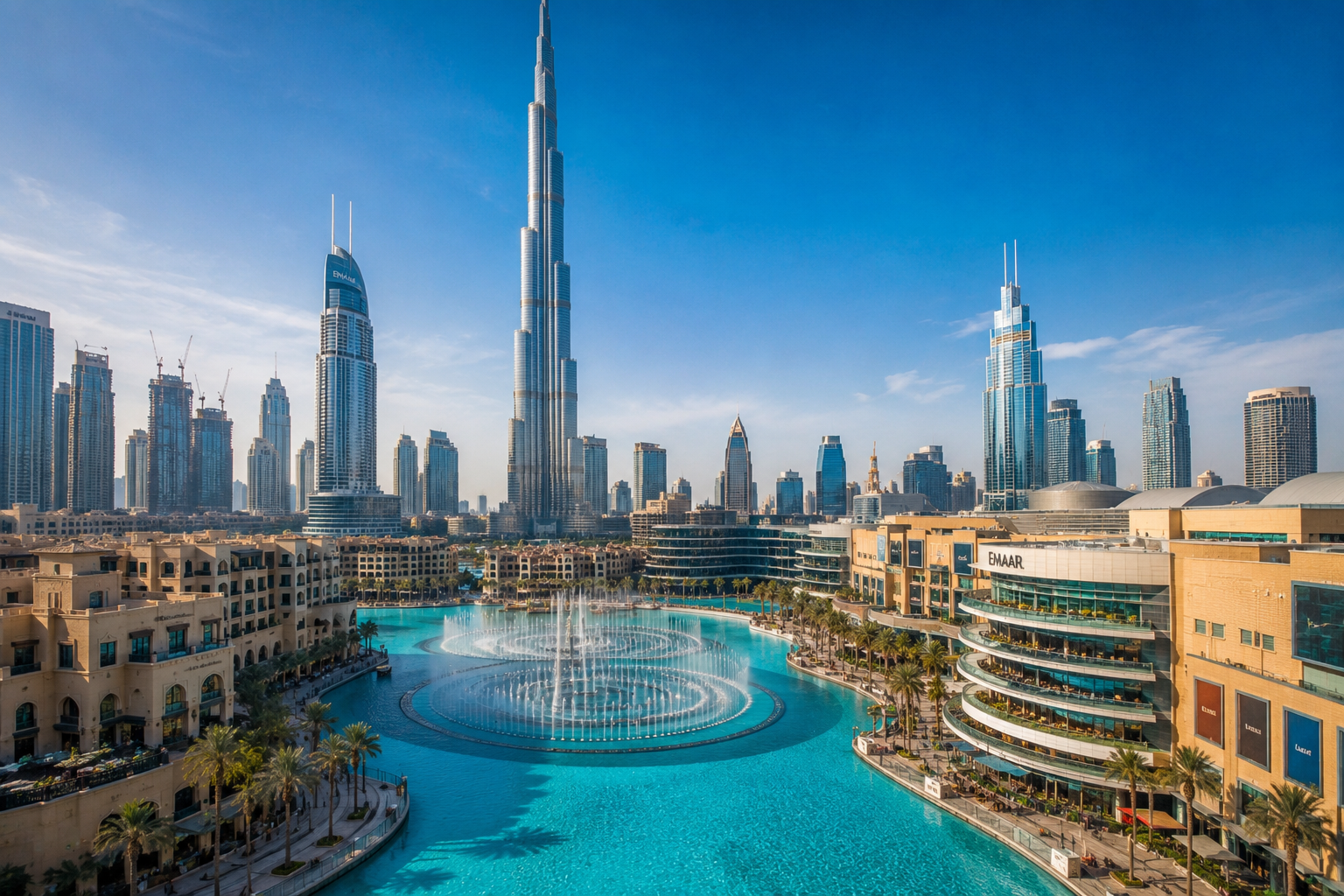
The best time to visit Dubai from India depends on weather, crowds, prices and the experiences you want. November to March is the easiest period for outdoor sightseeing, beaches and desert activities, while summer can provide hotel value for travellers comfortable building the trip around indoor attractions. Indian travellers should also consider school holidays, visa lead time and flight prices from Delhi, Mumbai and Bengaluru.
Seasonal descriptions are based on typical patterns, not guarantees. Heat, rain, snow, sea conditions and air quality can vary. Check the official destination forecast and travel advisories close to departure, especially for outdoor or marine activities.
Quick Seasonal Guide
- Best overall weather: November to March
- Best for lower hotel prices: hot summer months, with an indoor-focused plan
- Best for beaches and desert: cooler months
- Best for New Year celebrations: late December, with very high demand
- Best quieter compromise: November or early March outside major events
Understanding the Climate
Dubai has a hot desert climate. Winters are mild and popular, while summers are extremely hot and humid. Rain is limited but can occur, and unusual weather may disrupt roads or outdoor plans. The sea remains an important part of the climate experience.
A country or city can have microclimates and transitional weeks. Do not reject an entire month because a chart shows rainfall, and do not expect every day to match a long-term average. Match the route to the likely conditions.
Dubai Month by Month
January
Comfortable outdoor conditions make January popular for beaches, walking areas and desert trips. New Year demand can carry into the first week, so hotel and attraction prices may remain high.
February
February is excellent for mixed city and outdoor plans. Evenings can feel cool near the water or desert, and major events can affect availability.
March
March remains attractive, with temperatures gradually rising. It can offer a useful balance before the strongest summer heat, although school and event dates influence price.
April
April becomes hotter. Schedule outdoor sightseeing early or late and use indoor attractions during midday. Beach time may still suit heat-tolerant travellers.
May
May is hot and increasingly indoor-focused. Hotel offers may appear, but families should plan around heat rather than assuming a full outdoor schedule.
June
June brings intense heat. Malls, museums and indoor attractions work well, while long walks and desert activities require careful provider guidance and timing.
July
July is among the hottest periods. It can suit shopping and indoor entertainment, not travellers seeking comfortable daytime outdoor exploration.
August
August remains extremely hot and humid. Lower room prices can be attractive, but transport and activities should minimise outdoor exposure.
September
September is still hot, though conditions begin moving towards autumn later. Build a mixed itinerary with flexible outdoor evenings.
October
October becomes more manageable as the month progresses. It can be a shoulder-season choice, but midday temperatures may still be high.
November
November is one of the best months for outdoor sightseeing, beaches and desert experiences. Demand rises, so reserve important hotels and attractions.
December
December offers pleasant weather and festive events. Christmas and New Year are exceptionally busy and expensive; early December is usually easier.
Best Time by Travel Style
- Couples: November to March for waterfront and desert evenings
- Families: December to February for outdoor comfort
- Budget travellers: summer if an indoor itinerary is acceptable
- Shopping trips: year-round, guided by current event dates
- Beach holidays: cooler months for comfortable daytime use
How Season Affects Trip Cost
A five-night trip for two may cost approximately ₹1,30,000–₹2,50,000. Peak winter and New Year travel can exceed this range. Summer hotels may be cheaper, but premium indoor attractions and taxis still require a realistic daily budget.
Peak-season prices are driven by flight seats, hotel demand and events. Compare the final airfare after baggage. Flexible travellers can test dates before and after a holiday period, while families tied to school breaks should reserve well-located rooms early.
Planning from Delhi, Mumbai and Bengaluru
All three cities offer frequent one-stop or direct possibilities depending on schedule. Mumbai and Delhi often have extensive frequency, while Bengaluru provides strong Gulf connectivity. Fares should be checked for the exact holiday week.
A direct flight can justify a higher fare by protecting usable holiday time. Check arrival hour, airport transfer and hotel check-in before deciding. Late-night or early-morning fares can create extra transport or room costs.
What to Pack
- Light breathable clothes for most of the year
- A modest layer for malls, religious places and winter evenings
- High sun protection and a reusable water bottle
- Comfortable shoes for malls and neighbourhood walks
- Swimwear for permitted beach and pool areas
- Prescriptions and correctly documented medicines
Carry essential medicines in permitted quantities with prescriptions where appropriate. Dress rules can apply in religious or formal places. Leave space for practical layers rather than packing only for photographs.
Choosing the Right Itinerary for the Season
In cooler months, combine Downtown, Old Dubai, the Marina, beach time and a desert experience. In summer, shift outdoor areas to early morning or evening and prioritise museums, malls and indoor attractions. Do not force the same itinerary into every month.
Keep weather-sensitive experiences movable where possible. Reserve essential transport and limited-capacity attractions, but avoid prepaying every outdoor hour. A quality itinerary includes alternatives rather than pretending disruption cannot occur.
Entry Rules and Insurance
Check current entry requirements through the official immigration authority or embassy before making non-refundable commitments. Passport validity, visas, arrival forms, onward travel and insurance rules can change independently of the weather.
Choose insurance based on the itinerary and exclusions. Marine activities, winter sports, trekking or pre-existing conditions may require specific cover. Keep emergency contacts and policy information available offline.
Common Seasonal Planning Mistakes
- Using one national forecast for every region
- Assuming peak season guarantees perfect weather
- Booking non-refundable outdoor activities too early
- Ignoring local holidays and event demand
- Selecting a remote cheap hotel without transport planning
- Packing for daytime temperature but not evenings or air conditioning
- Failing to keep a contingency for weather changes
Official Information and Roameaze Planning
Use the official Visit Dubai weather guide for current destination information. Review Roameaze options for Dubai and request a customised itinerary based on exact dates, budget and preferred pace.
Events, Ramadan and Public Holidays
Dubai’s event calendar can change the feel and cost of a trip. Shopping festivals, concerts, exhibitions and sporting events may increase room demand in particular areas. Confirm dates on the official calendar rather than assuming an annual event will follow last year’s schedule. New Year celebrations require advance transport planning because road closures and crowded public areas are possible.
Ramadan moves through the calendar. Visitors should respect local customs and check current guidance on dining, attraction hours and public behaviour. Tourism services continue, but operating patterns can differ. Eid holidays may bring strong regional demand, so flights and hotels should be priced early.
Managing Dubai Heat Safely
Heat changes more than clothing. It affects walking distance, hydration, transport choice and the suitability of desert or beach activities. Build short outdoor blocks and use shaded or air-conditioned routes. Children, older travellers and people with health conditions need a particularly conservative plan. Never leave a person or animal inside a parked vehicle.
Carry water, use sun protection and recognise signs of heat illness. Follow lifeguard flags and local marine advice at beaches. If weather warnings are issued, change the plan rather than treating a prepaid booking as more important than safety.
Peak-Season Booking Strategy
For November through March, book the most important hotel and any limited-capacity attraction before optional activities. Compare cancellation conditions, because the cheapest rate can be poor value if plans change. Check whether a hotel rate includes municipality charges, tourism fees, breakfast and child occupancy.
For Christmas and New Year, confirm gala-dinner supplements, road access and restaurant reservations. A hotel close to the main celebration is convenient but expensive; a quieter district may provide better rest. Plan the return transfer before attending a crowded event and follow official crowd-management instructions.
Frequently Asked Questions
Question: Which month is best for Dubai from India?
Answer: January and February are excellent for comfortable outdoor touring. November, December and March are also popular.
Question: Is Dubai too hot in June?
Answer: June is intensely hot. An indoor-focused holiday can work, but it is not ideal for travellers whose priority is daytime outdoor sightseeing.
Question: When is Dubai cheapest?
Answer: Summer often brings lower hotel rates, while exact flight and attraction prices depend on Indian holidays and events.
Question: Is December a good time for Dubai?
Answer: Yes, for weather and festivities, but late December is crowded and expensive. Early December is generally easier.
Question: Can we visit the desert in summer?
Answer: Operators may run experiences with adjusted timing, but travellers should consider heat and personal health and follow official and provider advice.
Plan Your Holiday with Roameaze
A good holiday is not about covering the maximum number of places. It is about choosing the right locations, comfortable hotels and experiences that suit you.
Travellers searching for the best travel agency in India deserve honest guidance and responsive support. Roameaze helps you plan the complete journey without forcing you into a standard package.
Call or WhatsApp: +91 9990403060 | Website: roameaze.com | Email: roameaze@gmail.com