


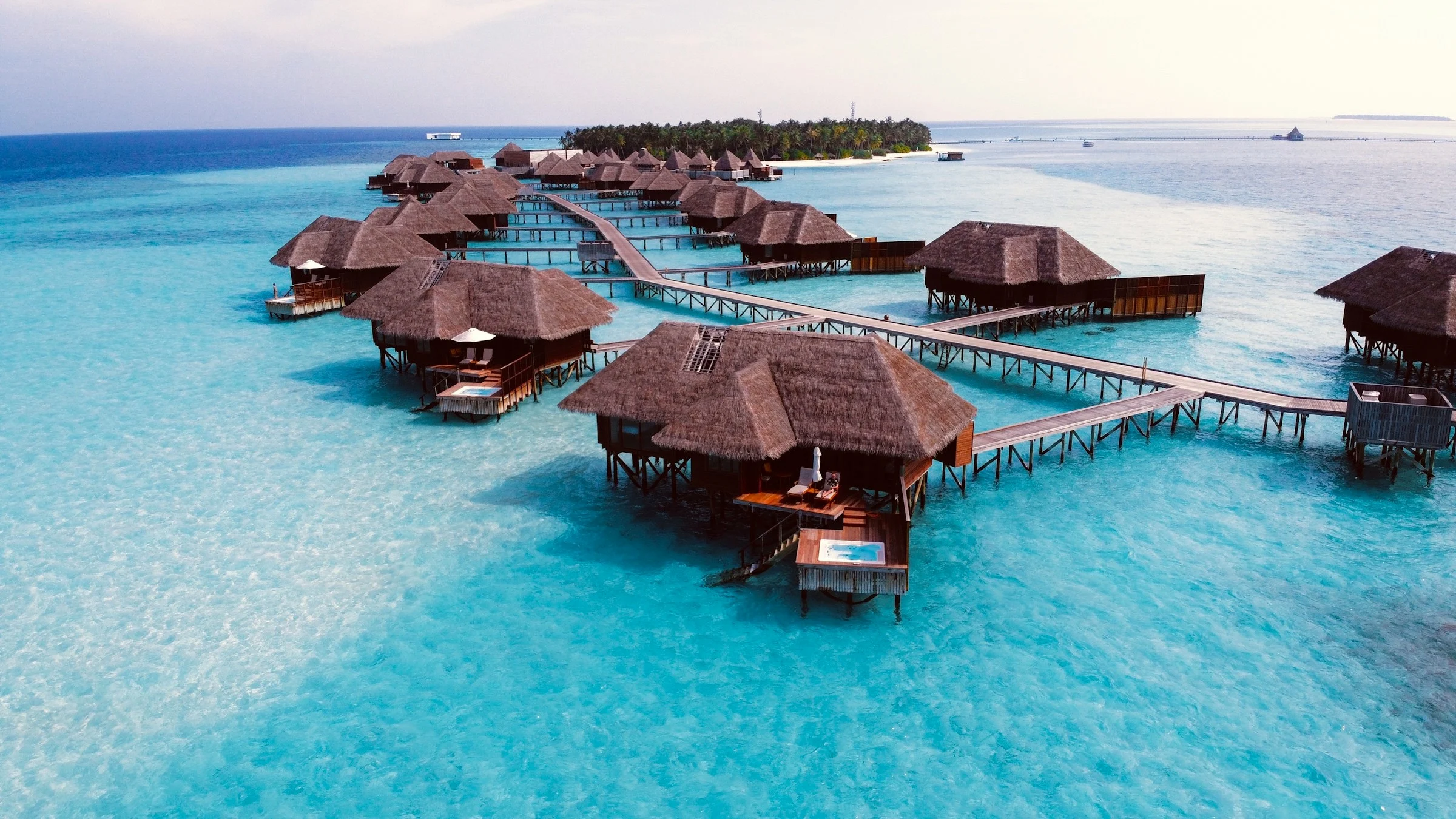
The best time to visit the Maldives from India depends on weather, crowds, prices and the experiences you want. For generally drier weather and calmer travel conditions, many visitors prefer roughly November to April, while May to October can offer lower prices but a greater chance of rain and wind. Indian travellers should also consider school holidays, visa lead time and flight prices from Delhi, Mumbai and Bengaluru.
Seasonal descriptions are based on typical patterns, not guarantees. Heat, rain, snow, sea conditions and air quality can vary. Check the official destination forecast and travel advisories close to departure, especially for outdoor or marine activities.
Quick Seasonal Guide
- November to April: generally drier high season
- May to October: wetter southwest-monsoon period
- January to March: often popular for sunshine and water visibility
- July to September: attractive offers may appear, with greater weather variability
- Festive weeks: highest resort demand and supplements are common
Understanding the Climate
The Maldives has a tropical maritime climate with warm temperatures throughout the year. The northeast monsoon is generally associated with a drier period, while the southwest monsoon brings more rain, cloud and wind. Conditions vary between atolls and from day to day; a wet-season trip does not mean continuous rain.
A country or city can have microclimates and transitional weeks. Do not reject an entire month because a chart shows rainfall, and do not expect every day to match a long-term average. Match the route to the likely conditions.
Maldives Month by Month
January to March
These are among the most sought-after months for dry-season holidays. Sunshine and calmer conditions are common, so resort and flight prices can be high. Book early for preferred room categories.
April
April is a transition month. It remains warm and can offer good beach time, but humidity and showers may increase later in the month.
May to June
The wetter monsoon period begins. Travellers may find value, but should allow flexibility for boat trips, diving and seaplane operations.
July to September
Warm weather continues with a higher chance of showers, wind and rougher seas. Offers can be appealing, yet marine plans need realistic backup options.
October
October remains transitional and can be unsettled. It may suit flexible couples who value a better room deal over a perfectly predictable forecast.
November to December
The drier season usually develops, increasing demand. Christmas and New Year frequently bring compulsory meals, minimum stays or festive supplements.
Best Time by Travel Style
- Honeymoon: January to March for stronger odds of dry weather, or shoulder weeks for value
- Budget trip: May to October with a flexible schedule
- Diving and snorkelling: choose the atoll and operator based on seasonal currents and current conditions
- Family holiday: dry-season school-break dates, booked early
- Surf-focused trip: research the relevant atoll and swell season with a qualified operator
How Season Affects Trip Cost
Dry-season and festive dates generally command higher room and airfare prices. A five-night couple trip may vary from about ₹1.1 lakh on a carefully planned local-island itinerary to ₹3 lakh or substantially more at a private resort. These are planning ranges, not live quotes, and mandatory transfers, taxes and meal plans can change the total.
Peak-season prices are driven by flight seats, hotel demand and events. Compare the final airfare after baggage. Flexible travellers can test dates before and after a holiday period, while families tied to school breaks should reserve well-located rooms early.
Planning from Delhi, Mumbai and Bengaluru
Compare routes from Delhi, Mumbai and Bengaluru to Malé. Availability and fares vary by date; Bengaluru and Mumbai may have useful nonstop options on some schedules, while Delhi travellers should compare connections and total journey time.
A direct flight can justify a higher fare by protecting usable holiday time. Check arrival hour, airport transfer and hotel check-in before deciding. Late-night or early-morning fares can create extra transport or room costs.
What to Pack
- Light breathable clothing
- Reef-safe sun protection and hat
- Light rain layer in wetter months
- Modest clothing for inhabited local islands
- Dry bag or waterproof phone pouch
- Prescription medicines and travel insurance details
Carry essential medicines in permitted quantities with prescriptions where appropriate. Dress rules can apply in religious or formal places. Leave space for practical layers rather than packing only for photographs.
Choosing the Right Itinerary for the Season
Keep the itinerary simple. One island is efficient for a short break; splitting a stay only works when transfer schedules align. During wetter months, avoid building a plan around many fixed boat excursions. Confirm whether the property transfer is by speedboat, domestic flight or seaplane.
Keep weather-sensitive experiences movable where possible. Reserve essential transport and limited-capacity attractions, but avoid prepaying every outdoor hour. A quality itinerary includes alternatives rather than pretending disruption cannot occur.
Entry Rules and Insurance
Check current entry requirements through the official immigration authority or embassy before making non-refundable commitments. Passport validity, visas, arrival forms, onward travel and insurance rules can change independently of the weather.
Choose insurance based on the itinerary and exclusions. Marine activities, winter sports, trekking or pre-existing conditions may require specific cover. Keep emergency contacts and policy information available offline.
Common Seasonal Planning Mistakes
- Using one national forecast for every region
- Assuming peak season guarantees perfect weather
- Booking non-refundable outdoor activities too early
- Ignoring local holidays and event demand
- Selecting a remote cheap hotel without transport planning
- Packing for daytime temperature but not evenings or air conditioning
- Failing to keep a contingency for weather changes
Official Information and Roameaze Planning
Use Visit Maldives and the Maldives Immigration website for current destination information. Review Roameaze options for Maldives and request a customised itinerary based on exact dates, budget and preferred pace.
Frequently Asked Questions
Question: What is the best month to visit the Maldives?
Answer: January to March is widely favoured for drier conditions, but no month guarantees rain-free weather.
Question: Is the Maldives good in December?
Answer: December can be attractive as the drier season develops, but festive dates are expensive and may carry compulsory supplements.
Question: Is the rainy season worth considering?
Answer: Yes for flexible travellers seeking value. Expect a higher risk of showers, wind and marine disruption.
Question: How many days are enough?
Answer: Four to six nights works well for many couples when transfers are simple.
Question: When should Indian travellers book?
Answer: For peak dry-season or festive travel, start comparing several months ahead; for flexible wet-season dates, monitor the final package cost and cancellation terms.
Practical Booking Strategy
Start with the experience and a total budget, then compare the same room category, board basis, taxes and mandatory return transfer. A lower room rate can be misleading when meals or transport are excluded. Ask for written confirmation of speedboat, domestic-flight or seaplane timings, luggage allowances and the policy for weather disruption. Keep at least one unscheduled half-day so a shower does not force you to miss the activity you value most.
For couples travelling from India, compare the cost of an extra night with the value of a poor flight connection. Arriving after the final scheduled transfer can require an airport-area stay. Likewise, an early departure may shorten the last paid resort day. Check both ends of the itinerary before accepting the cheapest airfare. Currency movements also affect a resort quote priced in US dollars, so treat every INR figure as approximate until the booking is confirmed.
Weather, Water Activities and Expectations
A forecast icon showing rain does not mean an entire island day will be lost. Tropical showers can be brief and local, but sustained rain or wind also occurs. Resort teams and licensed excursion operators should make the final call on marine safety. Do not pressure an operator to run a trip when conditions are unsuitable. If snorkelling, diving or a sandbank visit is essential, schedule it early enough to allow another opportunity later in the stay.
Underwater visibility, currents and wildlife sightings depend on location and season. There is no honest guarantee of seeing a particular animal. Select a reputable operator, disclose swimming ability and medical concerns, and follow safety briefings. Never touch coral or wildlife. Families should ask about minimum ages, life jackets, supervision, pool depth and the distance from their room to dining and reception areas.
Local Islands and Private Resorts by Season
Weather affects both local islands and resorts, but the practical experience differs. Local islands provide guesthouses, community life and access to local restaurants; visitors must respect local customs and use designated bikini beaches. Private resorts offer integrated facilities and licensed beverage service, although meals and activities can cost more. In a wet week, a larger resort with indoor facilities may feel easier, while a local-island guesthouse can still suit travellers comfortable with a simple, flexible schedule.
Ask what happens if a public ferry, speedboat, domestic flight or seaplane is delayed. Transfers are not interchangeable, and a weather disruption can affect the connection to an international flight. Travel insurance should be read for delay, missed-connection and activity exclusions rather than chosen solely by price.
Plan Your Holiday with Roameaze
A good holiday is not about covering the maximum number of places. It is about choosing the right locations, comfortable hotels and experiences that suit you.
Travellers searching for the best travel agency in India deserve honest guidance and responsive support. Roameaze helps you plan the complete journey without forcing you into a standard package.
Call or WhatsApp: +91 9990403060 | Website: roameaze.com | Email: roameaze@gmail.com