


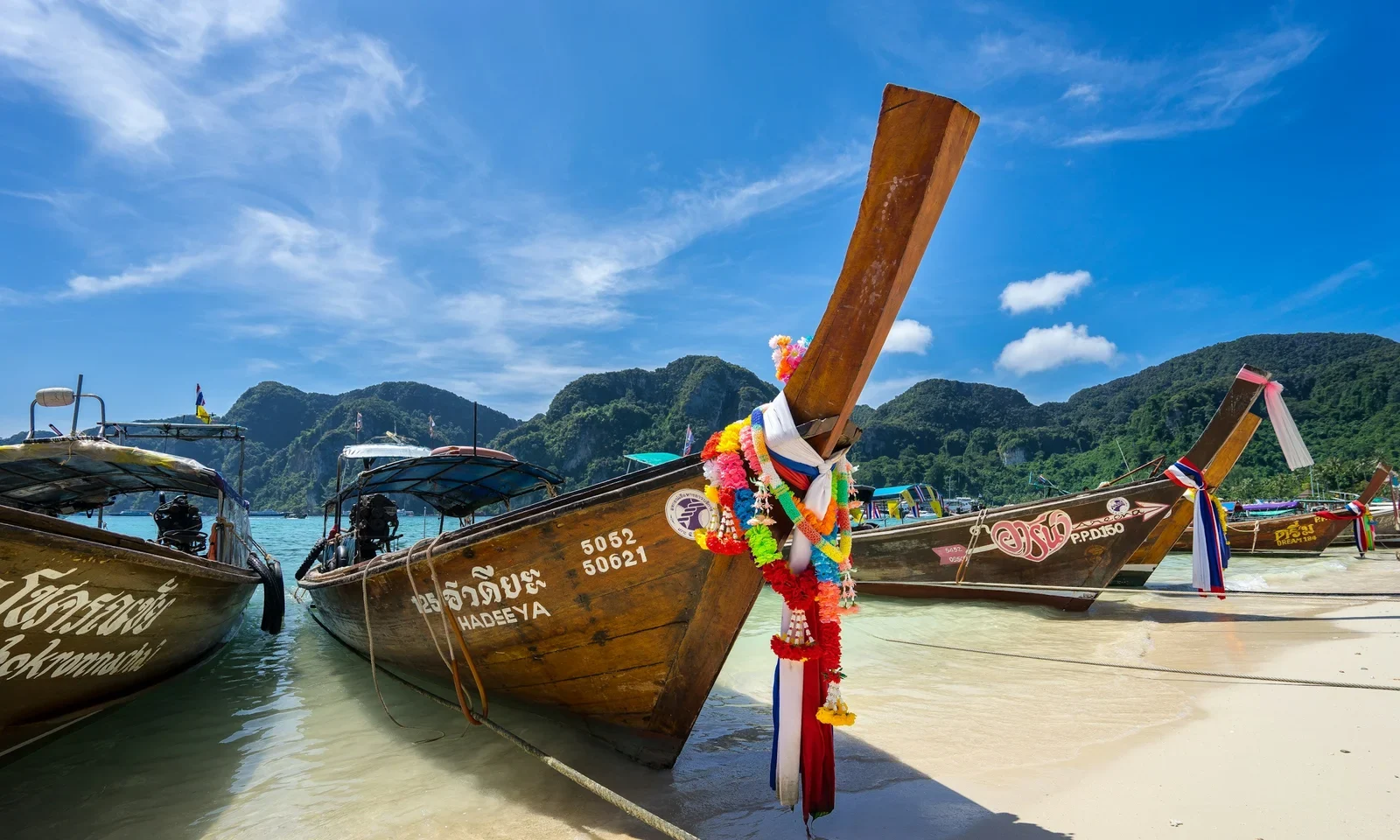
The best time to visit Thailand from India depends on the exact region, not simply the country name. November to February is the easiest all-round period for Bangkok, Chiang Mai and many Andaman-coast holidays, but it is also popular and usually more expensive. Koh Samui and nearby Gulf islands follow a different rainfall pattern, so a month that suits Phuket may not be equally suitable there.
Indian travellers should choose dates by matching weather, budget and activities. A family wanting calm sightseeing has different priorities from a couple seeking beaches or a budget traveller willing to accept afternoon showers. This month-by-month guide explains those trade-offs without promising perfect weather, which no destination can guarantee.
Quick Answer: When Should You Visit Thailand?
- Best overall weather: November to February for many popular regions
- Best for lower prices: selected shoulder and rainy-season dates outside public holidays
- Best for Bangkok and Chiang Mai: generally November to February
- Best for Phuket and Krabi: commonly November to April, with regional variation
- Best for Koh Samui: assess its Gulf-coast pattern separately
- Best for fewer crowds: travel outside Christmas, New Year and major festival dates
The Tourism Authority of Thailand’s official weather page provides province-level information. Check it again near departure, especially for boats and island excursions.
Understanding Thailand’s Regional Weather
Thailand is affected by monsoon systems, but seasons do not begin and end on one precise date. Bangkok and the central region, the mountainous north, the Andaman coast and the Gulf coast experience different conditions. Daily weather can also vary within the same month.
Bangkok and central Thailand
Bangkok is visited year-round. November to February usually feels more comfortable for outdoor temples, markets and walking. March to May can be very hot, while rainy-season travel requires flexible plans. Rail systems and indoor attractions make the city manageable even when showers occur.
Northern Thailand
Chiang Mai and Chiang Rai are generally popular during the cooler months. Evenings can feel cooler than Indian travellers expect, particularly in elevated areas. The hot season can coincide with regional haze or burning concerns; check current air quality and local guidance rather than relying on a fixed annual assumption.
Phuket, Krabi and the Andaman coast
The Andaman coast is commonly chosen from November into April. Sea conditions and tour operations still depend on the day. During wetter months, travellers may find attractive hotel rates, but rough seas can affect boat trips and some seasonal routes.
Koh Samui and the Gulf islands
Koh Samui, Koh Phangan and Koh Tao do not mirror Phuket’s rainfall calendar exactly. This makes them useful alternatives in some months, but no island should be chosen from a national weather summary alone. Check the specific province and marine forecast.
Thailand Month by Month
January
January is one of the easiest months for a first trip. Bangkok and the north are generally comfortable, and Andaman beach destinations are popular. Demand is strong, particularly around New Year, so flights and beachfront rooms should be booked early.
February
February often continues favourable conditions in many classic routes. It suits couples combining Bangkok with Phuket or Krabi. Prices can remain firm, and Chinese New Year dates may affect crowds and hotel availability depending on the year.
March
March becomes hotter. Beach time can still be attractive, but long midday walking tours are less comfortable. Schedule temples and markets early, reserve the middle of the day for rest, and carry water.
April
April is hot and includes Songkran, the Thai New Year festival. The celebration can be memorable, but it also changes traffic, opening hours and availability. Travellers should expect to get wet in active celebration areas and protect electronics.
May
May is a transition period in several regions. Heat and rain can increase, while hotel pricing may become more attractive. It suits flexible travellers who value savings more than guaranteed beach conditions.
June
June can offer good-value city and resort stays, but showers and sea conditions need consideration. Keep boat activities flexible and choose a hotel with facilities you would enjoy during a wet afternoon.
July
July overlaps Indian school-holiday demand and rainy conditions in several Thai regions. It is not automatically a washout, but fixed outdoor schedules are risky. Gulf islands may be considered after checking local patterns.
August
August remains part of the wetter period in many locations. Travellers can still enjoy Bangkok, food, wellness and cultural activities. A beach-only holiday needs more careful regional selection.
September
September is often among the wetter months in Bangkok and on parts of the Andaman coast. Prices may be appealing, but travellers should accept possible disruption to boat trips. It is better for a mixed city-and-relaxation holiday than a rigid island checklist.
October
October is transitional. Conditions can improve in some areas later in the month, while other regions remain wet. Check recent local weather reports before choosing the coast.
November
November marks the beginning of a popular travel period for Bangkok, northern Thailand and much of the Andaman coast. Early-month conditions can still vary, but demand rises as the month progresses.
December
December is a strong all-round month and one of the busiest. The official Tourism Authority describes it as part of the cool season. Christmas and New Year bring festive events as well as higher flight and hotel prices.
Best Time for Different Types of Travellers
- Honeymoon: November to February for classic Bangkok-and-Andaman routes
- Family holiday: December, January or early February for comfortable outdoor touring
- Budget trip: select May, June, September or October dates with weather flexibility
- Nightlife and shopping: Bangkok works throughout the year with indoor alternatives
- Island hopping: choose the coast after checking marine and regional conditions
- Northern culture: cooler months are usually more comfortable for temples and day trips
How Season Changes the Thailand Trip Cost
For a six- or seven-night trip, a couple can plan approximately ₹1,10,000–₹1,80,000 in ordinary periods. Christmas, New Year and premium winter dates can raise flights and hotels substantially. Rainy-season deals may reduce room prices, but non-refundable bookings carry more weather risk.
Departures from Delhi, Mumbai and Bengaluru should be priced separately. Bengaluru may have strong Southeast Asia fares on some dates, while Delhi and Mumbai provide broad schedules. Compare the complete fare after baggage and seats.
What to Pack by Season
- Light, breathable clothing for heat and humidity
- Modest clothing covering shoulders and knees for temples
- Compact rain protection during unsettled periods
- Comfortable footwear with good grip
- Sun protection and a reusable water bottle
- Light layer for air-conditioned spaces and cooler northern evenings
- Dry bag or waterproof pouch for boat days
Choosing a Route for Your Month
First-time visitors with one week should choose Bangkok plus one beach region. Travellers with nine or ten nights can add Chiang Mai or a second coastal base. Avoid selecting islands only because they look close on a map; ferry schedules, road transfers and airport locations determine the real journey.
Browse Roameaze’s Thailand packages for route ideas. A customised itinerary should account for the month, flight timings, hotel location and planned activities rather than copying a fixed catalogue.
Frequently Asked Questions
Q: Which month is best for Thailand from India?
A: January and February are easy all-round choices for many routes. November and December are also popular, while the ideal month for Koh Samui can differ from Phuket.
Q: Is Thailand good in June or July?
A: It can be, particularly for travellers seeking value and willing to plan around showers. Choose the coast carefully and keep marine activities flexible.
Q: When is Thailand cheapest?
A: Lower prices are often found outside the November-to-February peak and away from festivals. The cheapest dates vary with flights, hotel demand and Indian holidays.
Q: Does it rain all day during Thailand’s rainy season?
A: Not necessarily. Rain can arrive in intense periods with dry intervals, but prolonged wet weather is possible. No honest planner can guarantee a daily pattern.
Q: Is December too crowded?
A: Popular beaches and attractions can be busy, especially during the festive fortnight. Early December usually feels calmer than Christmas and New Year.
Plan Your Holiday with Roameaze
A good holiday is not about covering the maximum number of places. It is about choosing the right locations, comfortable hotels and experiences that suit you.
Travellers searching for the best travel agency in India deserve honest guidance and responsive support. Roameaze helps you plan the complete journey without forcing you into a standard package.
Call or WhatsApp: +91 9990403060 | Website: roameaze.com | Email: roameaze@gmail.com