


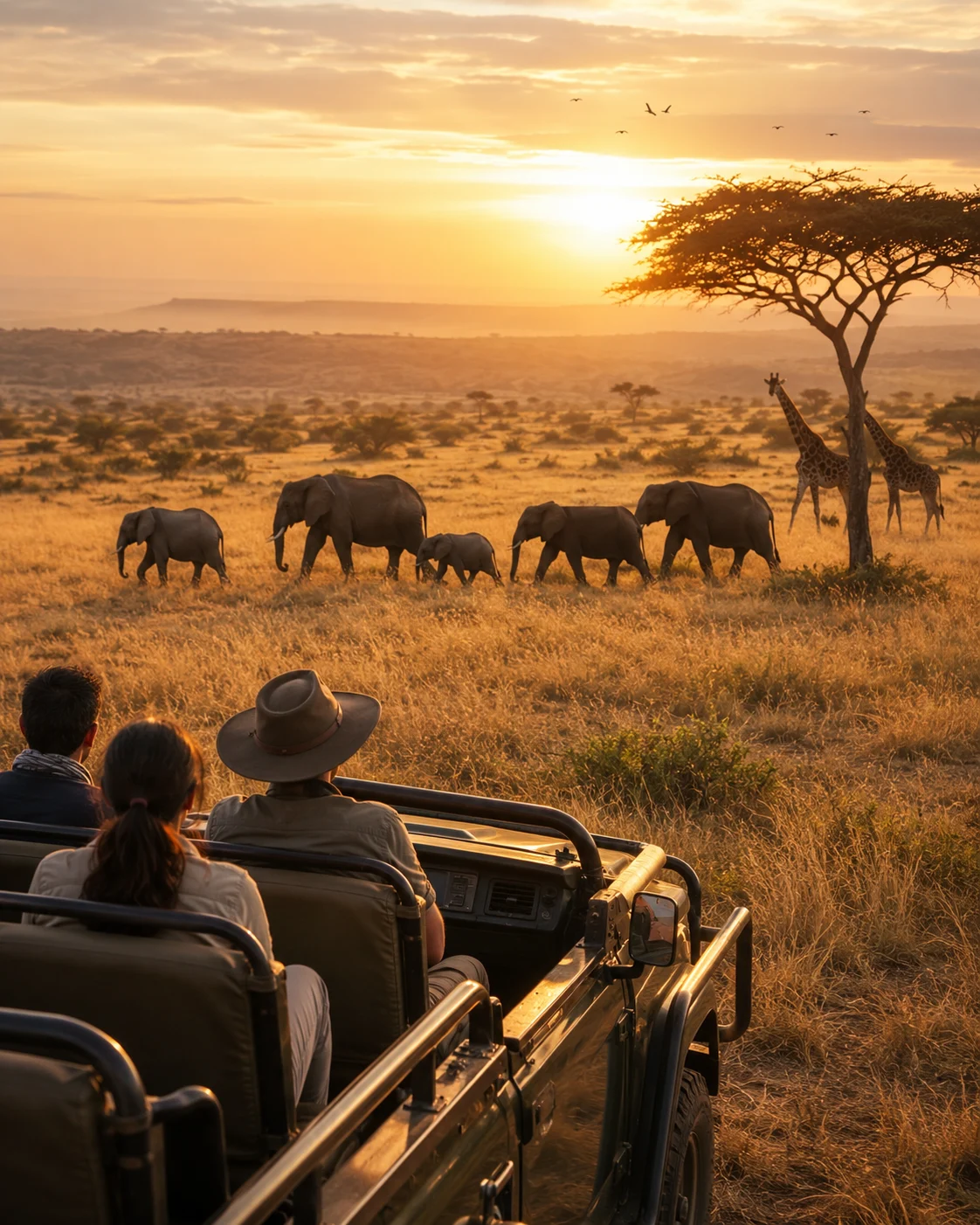
A luxury India wildlife safari package should combine excellent guiding, comfortable lodges, well-timed transfers and enough safari permits to experience the forest without rushing. Wildlife remains wild, so no ethical operator can guarantee a tiger, leopard or other sighting.
This guide explains the leading tiger reserves, realistic trip lengths, approximate costs and practical booking decisions for travellers starting from Delhi, Mumbai or Bengaluru. Prices are planning estimates only. Airfares, lodge rates, park permits, vehicle charges and taxes can change before booking, especially around holidays and high-demand safari dates.
What Makes an Indian Wildlife Safari Truly Luxurious?
A strong package usually includes a lodge near the correct park gate, comfortable transfers, reserved safari seats, local naturalists, meals at remote properties and permit support. Better guiding and more time in one reserve are often more valuable than covering several parks.
Premium lodges may add spacious cottages, small-group nature walks, regional cuisine, laundry, private dining or conservation talks. These touches are useful, but compare the location carefully. A beautiful lodge that requires a long pre-dawn transfer to the assigned gate can reduce comfort. Ask which gate, zone and vehicle arrangement the quotation assumes before judging the price.
Best Tiger Reserves for a Luxury Safari
Ranthambore, Rajasthan
Ranthambore combines dry forest, lakes and a historic fort, and it pairs conveniently with Jaipur or Delhi. Demand is high, so dates and advance permits matter. Vehicles follow allocated routes or zones; premium packages do not provide unrestricted access.
Delhi to Sawai Madhopur is commonly planned by train or road, depending on schedule and comfort. A three-night stay with four drives is a sensible minimum. Add Jaipur only if the overall trip is at least six nights; otherwise transfers can dominate the holiday.
Kanha, Madhya Pradesh
Kanha is known for broad meadows, sal forest and varied wildlife, including hard-ground barasingha. Its scale rewards patience. Four nights allow several morning and afternoon drives as well as a slower lodge day. Reaching Kanha normally involves a flight to a regional airport followed by a substantial road transfer, so it is better treated as the heart of a journey rather than a quick two-night stop.
Kanha suits travellers who value landscape, birdlife and naturalist-led interpretation alongside the possibility of seeing a tiger. Confirm which entrance your lodge uses because different gates serve different tourism zones.
Bandhavgarh, Madhya Pradesh
Bandhavgarh has a compact core landscape of forest, grassland and rocky hills. It is frequently paired with Kanha, but the drive between them takes a meaningful part of the day. A good combined itinerary therefore needs at least seven nights on the ground. Three or four nights at Bandhavgarh gives room for repeated drives without treating every outing as a race for one species.
The reserve is popular, and permits can become scarce. Lodge availability does not mean the preferred safari zone is available, so both components should be checked together before non-refundable flights are issued.
Pench and Satpura, Madhya Pradesh
Pench offers teak forest and a convenient pairing with Nagpur for many flight schedules. Satpura can appeal to repeat safari travellers because activities may be more varied, subject to current park permissions and seasonal operation. Depending on the official programme, visitors may find options beyond a standard jeep drive. Never assume a walking, boat or night activity is operating: confirm it for the exact travel date.
For a first safari, one well-chosen reserve is enough. For a longer premium journey, combining Pench with Kanha can create contrast without attempting to cover the whole country.
Kaziranga, Assam
Kaziranga is a different proposition from central India. Its floodplain ecosystem is celebrated for the greater one-horned rhinoceros as well as elephants, wild buffalo, birds and big cats. It deserves a dedicated Northeast itinerary rather than being forced into a short tiger-reserve circuit. Operations are seasonal and can be affected by monsoon conditions, so verify opening information with official Assam tourism or forest authorities.
How Many Nights Should You Plan?
- 4–5 nights: one reserve, three or four safari drives and relaxed lodge time.
- 7–8 nights: two compatible reserves, generally with six to eight drives in total.
- 9–12 nights: two reserves plus a cultural stop such as Delhi, Jaipur or Agra, or a slower specialist photography itinerary.
Two nights in a park often means only two or three drives after transfers. That can work as an introduction, but it is rarely the most satisfying use of a luxury budget. A balanced schedule alternates early starts with rest, allows for road delays and gives naturalists time to explain tracks, alarm calls, habitat and smaller species.
Approximate Luxury Safari Cost from India
For two adults sharing, a four-to-five-night premium trip to one reserve may start around ₹75,000–₹1,40,000 per person, excluding or including flights according to the quotation. A seven-to-eight-night journey using high-quality lodges and multiple drives may fall around ₹1,40,000–₹2,80,000 per person. Celebrated conservation lodges, private vehicles, dedicated naturalists, charter connections or festive-season dates can take the cost above ₹3,00,000 per person.
These figures are approximate planning ranges, not fixed offers. Final pricing depends on departure city, room category, number of travellers, vehicle sharing, park fee structure, nationality, taxes and how early permits are booked. Ask for a line-by-line inclusion list because a lower package price may exclude safari vehicles, camera-related charges where applicable, airport transfers or compulsory holiday supplements.
Typical Costs That Shape the Package
- Return flights or rail tickets from Delhi, Mumbai or Bengaluru
- Private airport, station and inter-reserve road transfers
- Lodge accommodation and the specified meal plan
- Park permit, vehicle and guide charges for each drive
- Naturalist services, which may be shared or private
- Taxes, conservation contributions and any compulsory supplements
A private jeep can improve flexibility for families and photographers, but availability and occupancy rules vary by reserve. “Exclusive safari” should be written explicitly in the proposal. If the package uses shared drives, ask the maximum number of guests and whether the lodge or the park operates the vehicle.
Best Time for an India Wildlife Safari
Many central Indian tiger-reserve tourism zones generally operate from autumn until the onset of the monsoon, with exact opening dates and weekly closures controlled by the relevant authorities. Winter mornings can be cold, while late spring is hot. Cooler months are comfortable and attractive for birding; hotter months can reduce foliage and concentrate animal movement near water, but sightings still cannot be promised.
Choose dates according to personal comfort, school holidays and permit availability rather than chasing a supposedly guaranteed month. Park closures, route changes, weather, fire-management activity or official orders can alter plans. Check the current notice for the specific reserve before paying.
Planning from Delhi, Mumbai and Bengaluru
From Delhi: Ranthambore is a natural first option and can fit a Delhi–Jaipur–Ranthambore route. Central Indian parks usually require a domestic flight and road transfer. From Mumbai: Nagpur connections can support Pench or Kanha itineraries, while Jabalpur or other regional gateways may suit particular schedules. From Bengaluru: flight timings often determine whether an overnight city stay is wise before the lodge transfer.
Do not book the cheapest flight before checking the safari. Morning and afternoon drive reporting times can make same-day connections unrealistic. A responsible itinerary adds buffer time, especially when the nearest airport is several hours from the gate.
Safari Permits and Identification
Permits are controlled by state forest departments or authorised systems. Identity details must match the document carried at entry, and rules vary. Use the Madhya Pradesh forest booking service for current information and the National Tiger Conservation Authority for conservation context.
Send accurate details promptly and never rely on an informal promise that permits will be arranged later. Request permit confirmation numbers in the final travel file. A zone associated with past sightings is not a guarantee; animals move freely, and every legal tourism zone can offer a worthwhile forest experience.
Responsible Safari Etiquette
- Follow the guide and driver’s instructions and remain within designated areas.
- Keep voices low and never demand that a vehicle crowd or chase an animal.
- Do not feed wildlife, play calls or use flash where it is restricted.
- Carry water in reusable bottles where the lodge and local rules permit.
- Choose operators that employ local staff and explain conservation honestly.
The NTCA guidelines and advisories are a useful starting point for understanding regulated tourism around tiger reserves. Luxury should support patient observation, safe employment and habitat protection not special treatment that breaks park rules.
What to Pack
Pack neutral-coloured layers, a warm jacket and cap for winter mornings, breathable clothing for warmer days, closed shoes, sun protection and any personal medicines. Binoculars often add more value than a very long camera lens. Carry the original identification used for permits plus digital and paper travel confirmations. Soft-sided luggage is easier in safari vehicles and on smaller transfers.
Avoid camouflage resembling military clothing and confirm drone restrictions; protected areas normally regulate aerial equipment strictly. Ask the lodge about laundry, hair dryers, electricity backup and mobile coverage instead of assuming urban-hotel facilities.
A Sample 8-Day Kanha and Bandhavgarh Itinerary
- Day 1: Fly from Delhi, Mumbai or Bengaluru to the best available regional gateway; private transfer to Bandhavgarh.
- Days 2–3: Morning and afternoon drives, with rest and naturalist sessions between safaris.
- Day 4: A final drive if timings permit, followed by a private road transfer to Kanha.
- Days 5–7: Multiple Kanha drives, a relaxed lodge afternoon and optional permitted nature activity.
- Day 8: Transfer to the airport and fly home, allowing a safe connection buffer.
The exact order should be built around confirmed permits and flight schedules. It may be smarter to reverse the circuit or add one transit night. Browse Roameaze’s wildlife safari packages for inspiration, then request a route adjusted to your dates and comfort.
How to Choose the Right Package
Compare proposals on substance. Check the number of drives, gate location, shared or private vehicle, naturalist arrangement, transfer vehicle, meal plan and cancellation terms. Look for realistic language. A company that guarantees a tiger is making a promise nature cannot honour. Ask how the team responds if a park closes a zone, a flight changes or permits become unavailable.
Families should discuss minimum ages, car-seat needs and whether children can manage cold starts and long quiet drives. Photographers should specify equipment size and whether they require an exclusive vehicle. Older travellers may prefer fewer lodge changes and cottages with minimal steps.
Frequently Asked Questions
Question: Can a luxury safari guarantee a tiger sighting?
Answer: No. Tigers and other animals are wild, and sightings depend on movement, weather, habitat and chance. More drives with a good naturalist improve the quality of the experience, not certainty.
Question: How early should we book?
Answer: Book as soon as dates are firm, particularly for winter, school holidays and premium lodges. Permit release schedules and rules differ by state, so verify the current official process rather than relying on an old deadline.
Question: Is one reserve enough?
Answer: Yes. Four nights in one reserve can be more rewarding than two nights each in several parks. A two-reserve circuit works best when you have at least seven or eight nights.
Question: Are meals normally included?
Answer: Many remote wildlife lodges include all meals, but beverages, private dining, laundry and special activities may cost extra. Confirm the written inclusion list.
Question: Can we combine wildlife with the Taj Mahal or Jaipur?
Answer: Yes, especially with Ranthambore. Keep enough nights so cultural touring does not reduce the safari to one rushed drive.
Plan Your Holiday with Roameaze
A good holiday is not about covering the maximum number of places. It is about choosing the right locations, comfortable hotels and experiences that suit you.
Travellers searching for the best travel agency in India deserve honest guidance and responsive support. Roameaze helps you plan the complete journey without forcing you into a standard package.
Call or WhatsApp: +91 9990403060 | Website: roameaze.com | Email: roameaze@gmail.com