


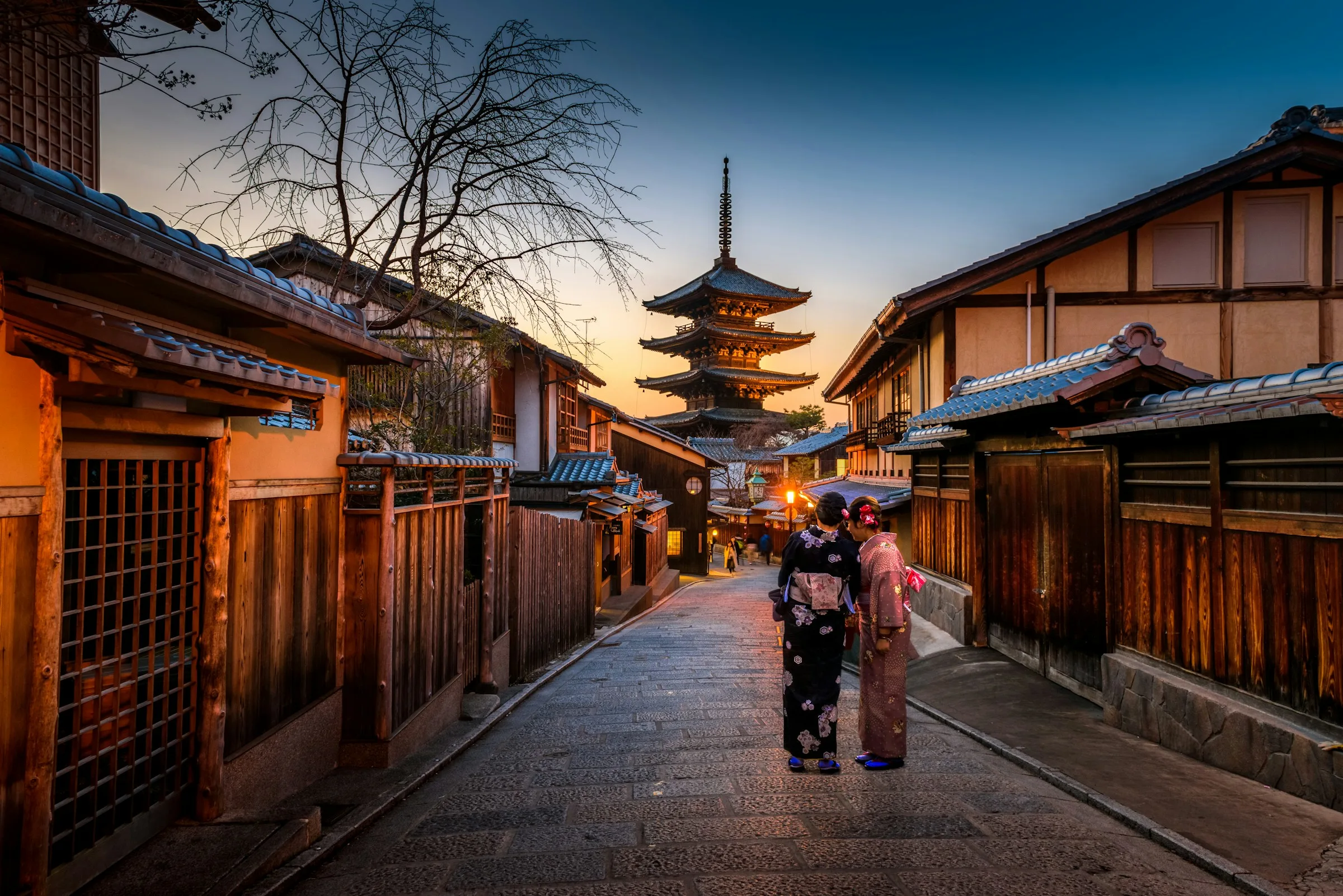
The best time to visit Japan from India depends on whether you value comfortable sightseeing, cherry blossoms, autumn colour, snow, lower prices or smaller crowds. For many first-time visitors following a Tokyo–Kyoto–Osaka route, late spring and autumn can feel comfortable, but these periods are also popular and often expensive.
Japan stretches across several climate zones, so there is no single national weather answer. Hokkaido, Tokyo, Kyoto, Okinawa and the Japanese Alps can experience very different conditions in the same week. Use seasonal patterns to shortlist dates, then check official regional forecasts close to departure.
Quick Seasonal Guide
- March to May: spring temperatures and famous blossoms, with high demand around peak dates
- June: rainy-season conditions in much of the country, though timing varies by region
- July and August: hot and humid in many cities, with festivals and school-holiday demand
- September: lingering heat and possible tropical-weather disruption
- October and November: comfortable autumn touring in many central regions, with popular foliage periods
- December to February: winter city trips, illumination events and snow experiences in suitable regions
Best Overall Time for First-Time Visitors
For Tokyo, Kyoto and Osaka, many travellers prefer parts of April and May or October and November because daytime sightseeing can be more comfortable than peak summer. However, Golden Week, blossom periods and famous autumn-colour dates can bring higher hotel prices, limited availability and crowded attractions. The best value may come from dates just outside the most photographed week.
Natural events cannot be guaranteed. Cherry-blossom and foliage timing shifts with temperature and local elevation. Never book a non-refundable holiday on the assumption that one particular tree or garden will look exactly like a previous year’s photograph.
Japan in January
January is winter across the country, although temperatures and snowfall vary greatly. Tokyo, Kyoto and Osaka can be cold and relatively dry, while northern and mountain regions may offer deep snow. New Year closures and domestic travel patterns can affect opening hours. Pack warm layers and check the operating status of rural transport.
Japan in February
February remains cold and can suit travellers interested in snow festivals, skiing or quieter city sightseeing. High-demand winter destinations still require booking. Daylight is shorter than in summer, and icy conditions can change walking or driving plans.
Japan in March
March is transitional. Early weeks can still feel wintry, while blossom interest grows later in warmer areas. Prices can increase as forecasts become clearer. Pack layers and rain protection rather than assuming every day will feel like spring.
Japan in April
April is one of the most popular months for first-time trips. Blossoms may appear in different cities at different times, and crowds can be intense at famous sites. Later April can overlap with the approach to Golden Week, when domestic demand affects trains and hotels. Reserve essential transport and central rooms early.
Japan in May
After the busiest Golden Week dates, May can offer comfortable conditions across many central-city routes. Gardens are green, and walking can be pleasant. Exact temperatures still vary, and popular weekends remain busy. This month often works well for a balanced Tokyo, Kyoto and Osaka itinerary.
Japan in June
The rainy season affects much of Japan during June, but rain is not uniform across every region or day. Humidity rises, and outdoor plans need flexibility. Hokkaido follows a different pattern and may be attractive to travellers willing to design a northern itinerary. Carry breathable rain protection and choose hotels with easy station access.
Japan in July
July can be hot and humid in Tokyo, Kyoto and Osaka. The rainy season may continue into part of the month before intense summer heat establishes itself. Festivals can be memorable, but crowd control, hydration and heat safety matter. Build indoor breaks into the itinerary.
Japan in August
August is generally very hot and humid in central and southern cities. Obon travel can raise domestic demand, while tropical systems can disrupt flights and trains. Travellers who choose August should slow the pace, start outdoor sightseeing early and maintain flexible transport plans.
Japan in September
September can remain hot, and tropical-weather risk continues. It can still work for travellers with adaptable plans and appropriate insurance. Avoid building the entire holiday around one weather-sensitive excursion, and check railway and airline notices during disruption.
Japan in October
October often brings more comfortable conditions to many central regions, making it popular for walking and city sightseeing. Autumn colour may begin in cooler or higher places before reaching major lower-altitude cities. Demand around events and weekends can still be strong.
Japan in November
November is highly valued for autumn scenery in many parts of central Japan, though the exact timing changes by location and year. Kyoto can be especially busy. Choose early starts, reserve central accommodation and include less famous neighbourhoods rather than spending every day in crowd hotspots.
Japan in December
December brings colder conditions, seasonal illuminations and generally lower humidity. Early December can be calmer than the year-end period, while Christmas and New Year dates affect prices and operating hours. Snow is not guaranteed in Tokyo, Kyoto or Osaka; choose a recognised snow region if it is an essential experience.
Best Time for Cherry Blossoms
Cherry blossoms move from warmer southern areas towards cooler northern regions over time. For the classic Tokyo and Kyoto route, broad historical patterns often point to late March or early April, but actual flowering can move earlier or later. Follow updates from the Japan National Tourism Organisation and weather authorities when the season approaches.
Best Time for Autumn Colours
Autumn colour timing depends on latitude, elevation and temperature. Mountain areas may change well before Kyoto or Tokyo. October and November are common planning months, but the correct week is destination-specific. A route combining different elevations can improve the chance of seeing colour without guaranteeing it.
Best Time for Snow
For reliable snow activities, plan recognised northern or mountain destinations rather than expecting snowfall in the major central cities. Hokkaido, Nagano and other winter regions have different seasons and access requirements. Skiing, snowboarding and winter driving may need specialised insurance, equipment and experience.
Best Time for Lower Prices
There is no fixed cheapest month because airfares and hotel rates respond to live demand. Compare late winter outside holiday dates, rainy-season weeks and other shoulder periods, then evaluate the weather trade-off. A cheap remote hotel or inconvenient flight can reduce usable holiday time and create additional transport costs.
Seasonal Costs from India
- Peak blossom or autumn periods: flights and central hotels may rise sharply
- Golden Week and major Japanese holidays: domestic demand can restrict availability
- Indian school and festive holidays: outbound fares from Delhi, Mumbai and Bengaluru may increase
- Winter ski regions: resort rooms and transfers can be expensive even when city hotels are quieter
- Rainy or very hot dates: potential savings should be compared with comfort and disruption risk
A seven-to-ten-night Japan trip for two may require approximately ₹2.2–₹4.5 lakh, depending on live flights, hotels, intercity travel and experiences. These are approximate planning ranges, not guaranteed package prices.
Planning Flights from Delhi, Mumbai and Bengaluru
Compare direct and one-stop fares after baggage, seats, connection time and airport transfers are included. Delhi can have useful direct or efficient options on some dates, while Mumbai and Bengaluru offer changing one-stop schedules. An arrival in Tokyo and departure from Osaka can reduce backtracking if the fare difference is reasonable.
Best Season by Travel Style
- First-time city trip: late spring or autumn, avoiding the busiest holiday dates where possible
- Cherry-blossom honeymoon: flexible late-March to April planning with no bloom guarantee
- Autumn photography: location-specific October or November route
- Family summer holiday: slower pace, indoor breaks and strong heat planning
- Snow holiday: winter in a recognised mountain or northern region
- Budget trip: compare shoulder dates after checking weather and closures
- Theme-park trip: check official calendars, crowd demand and ticket systems
What to Pack by Season
Spring
Pack layers, comfortable shoes and compact rain protection. Mornings and evenings can be cooler than midday.
Summer
Use breathable clothing, sun protection, a water bottle and light rain gear. Schedule rest and understand heat-health guidance.
Autumn
Layers remain useful because temperatures change through the season and between cities and mountain excursions.
Winter
Bring a warm outer layer, thermal layers and suitable footwear. Snow regions may require traction and specialised equipment.
Weather-Smart Itinerary Planning
- Place weather-sensitive excursions early enough to move them
- Keep one flexible half-day
- Use hotels near useful stations
- Pair outdoor sites with museums or indoor alternatives
- Check official railway and airline notices during disruption
- Do not schedule a distant excursion on departure day
- Choose insurance that covers the planned activities
Visa and Booking Timeline
Indian travellers should use the Embassy of Japan in India for the current visa procedure, fee and submission route. Visa approval, seasonal popularity and flight availability are separate issues. Avoid paying for fully non-refundable arrangements before understanding both the visa timeline and cancellation terms.
Common Seasonal Planning Mistakes
- Treating Japan as one climate zone
- Assuming blossoms or foliage are guaranteed
- Ignoring Golden Week and Japanese public holidays
- Choosing summer without planning for heat
- Expecting snow in every city
- Buying non-refundable outdoor tickets too early
- Using a long-range daily forecast months in advance
- Packing for photographs instead of actual temperatures
Official and Internal Links
Use the Japan National Tourism Organisation for seasonal destination guidance, the Japan Meteorological Agency for weather information and the Embassy of Japan in India for visa rules. Review Roameaze holiday planning for a date-specific itinerary.
Frequently Asked Questions
Q: Which month is best to visit Japan from India?
A: April, May, October and November are popular for central-city sightseeing, but exact costs and crowds matter. There is no universally best month.
Q: Is Japan good in December?
A: Yes, for winter atmosphere, illuminations and generally lower humidity. Pack for cold weather and check year-end closures.
Q: When can Indians see cherry blossoms?
A: Late March and early April are common planning periods for Tokyo and Kyoto, but flowering dates vary each year and by location.
Q: Is June a bad time for Japan?
A: Not necessarily. Rain and humidity require flexibility, but lower demand and indoor attractions can still make a good trip.
Q: When is Japan cheapest from India?
A: There is no fixed cheapest month. Compare live fares and hotels outside peak blossoms, autumn, public holidays and Indian school breaks.
Plan Your Holiday with Roameaze
A good holiday is not about covering the maximum number of places. It is about choosing the right locations, comfortable hotels and experiences that suit you.
Travellers searching for the best travel agency in India deserve honest guidance and responsive support. Roameaze helps you plan the complete journey without forcing you into a standard package.
Call or WhatsApp: +91 9990403060 | Website: roameaze.com | Email: roameaze@gmail.com