


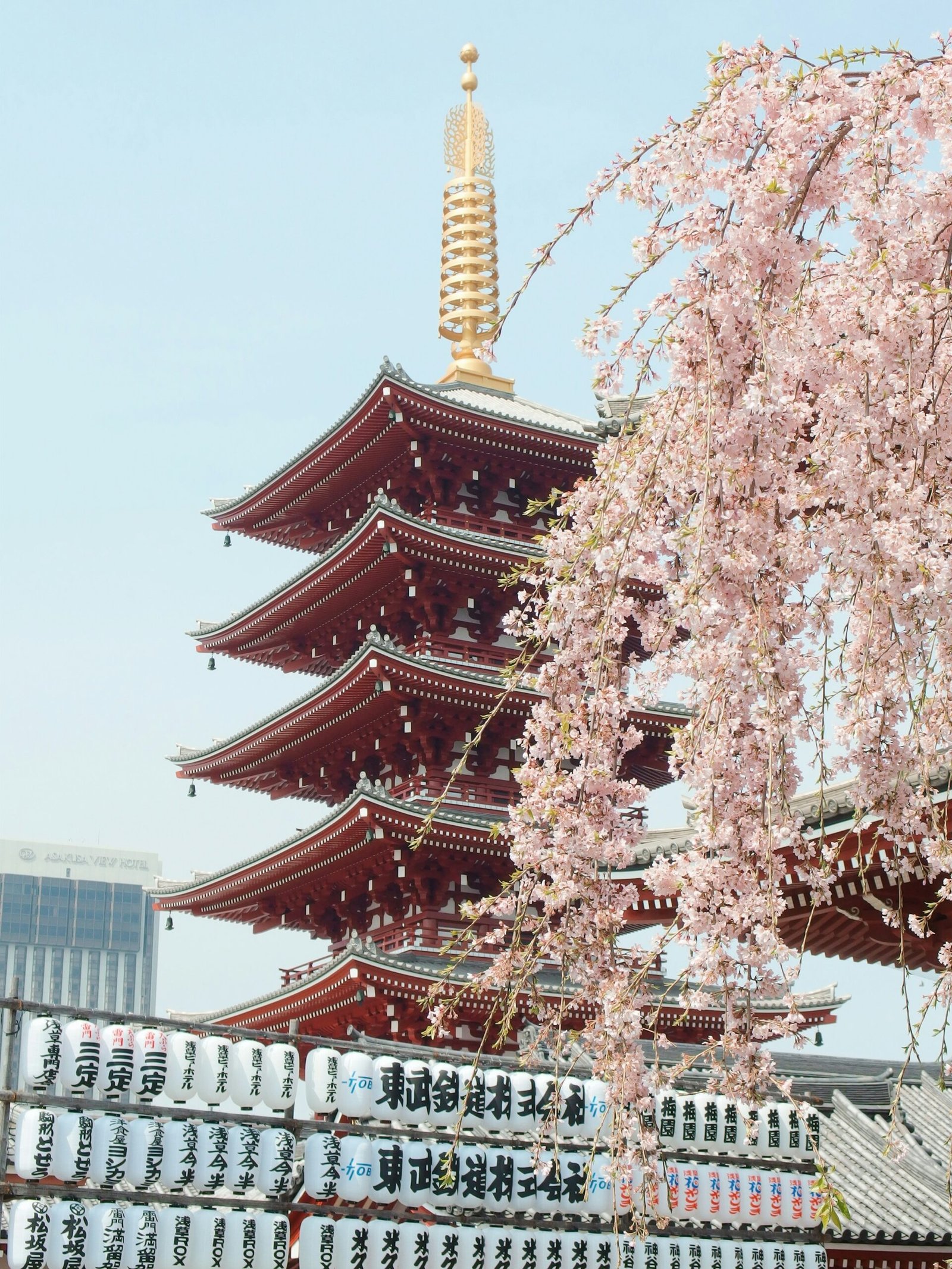
A well-paced 10-day Japan itinerary from India should focus on a small number of regions instead of turning every day into a luggage transfer. For most first-time travellers, Tokyo, Kyoto and Osaka create a balanced route with modern neighbourhoods, historic districts, food experiences and efficient intercity travel.
This itinerary assumes ten days including arrival and departure. Flight schedules from Delhi, Mumbai and Bengaluru vary, so move the first and last day according to the actual arrival airport. Costs are approximate planning ranges only; obtain a date-specific quotation before booking.
10-Day Japan Itinerary at a Glance
- Arrive in Tokyo and settle in
- Explore traditional and modern Tokyo
- Tokyo neighbourhoods and viewpoints
- Take a flexible Tokyo day trip or local discovery day
- Travel from Tokyo to Kyoto
- Explore eastern Kyoto
- Visit Arashiyama and central Kyoto
- Travel to Osaka and explore the city
- Choose Nara, Universal Studios Japan or an Osaka day
- Depart from Osaka or return according to the flight
Why This Route Works for First-Time Visitors
Tokyo, Kyoto and Osaka are connected by frequent rail services and offer very different experiences without requiring domestic flights. Tokyo brings scale, design and contemporary culture; Kyoto adds temples, gardens and historic streets; Osaka contributes relaxed urban energy and convenient access to Nara. The route also works as an open-jaw journey when the international ticket arrives in Tokyo and departs from Osaka.
Avoid adding Hiroshima, Mount Fuji, Hakone and several theme parks to the same ten days unless one of them is a genuine priority. Every additional hotel change uses time for checkout, station navigation, baggage and check-in. A shorter list usually produces better memories, and fewer rushed meals.
Day 1: Arrive in Tokyo
After immigration and baggage collection, use the airport train or limousine bus that best matches the hotel location. Narita and Haneda are different airports with different transfer times, so confirm the airport code before choosing accommodation. Keep the first evening light: walk around the hotel area, buy a transport card if appropriate and have an early meal.
Good first-time bases include Shinjuku, Shibuya, Ueno, Tokyo Station and Asakusa, but the best choice depends on the planned route. A hotel near a useful station can be more valuable than a larger room requiring multiple daily transfers.
Day 2: Traditional and Modern Tokyo
Begin in Asakusa for Senso-ji and the surrounding lanes, then continue towards Ueno or another nearby district. Later, cross to a modern area such as Shibuya or Harajuku. Do not schedule distant reservations back to back; Tokyo stations are large, and the walking time inside a transport interchange can be longer than a map suggests.
If visiting an observation deck, reserve only when the cancellation terms and weather risk are acceptable. Sunset slots are popular, but daytime visibility and night views can be equally rewarding.
Day 3: Tokyo Neighbourhood Day
Choose neighbourhoods according to interest. Travellers who enjoy electronics, games or anime may spend time in Akihabara. Fashion and design travellers may prefer Omotesando and Daikanyama. Food-focused visitors can explore a market district and book one carefully selected dinner. Gardens and museums offer useful alternatives during rain or intense summer heat.
Vegetarian travellers should save restaurant options near the day’s route. In Japan, a dish that appears meat-free may contain fish-based dashi, meat stock or other animal ingredients. Explain restrictions clearly and do not rely only on photographs.
Day 4: Flexible Tokyo Day Trip
Choose only one excursion. Hakone can suit travellers seeking landscapes, museums and an onsen-area atmosphere, while Nikko offers important shrines and forest scenery. A Mount Fuji view is weather-dependent and never guaranteed. Travellers who dislike early starts can remain in Tokyo for a relaxed neighbourhood, shopping or museum day.
Check the last return service, reservation rules and any seasonal closures through the official operator. If the forecast is poor, a flexible city day may be a better use of money than forcing a weather-sensitive excursion.
Day 5: Tokyo to Kyoto
Travel to Kyoto after breakfast. Price individual railway tickets against any rail pass; a nationwide pass is not automatically economical for this route. Use official railway information and reserve appropriate seats during busy travel periods. Travellers with large bags should understand baggage rules and consider an authorised forwarding service.
After hotel check-in, explore a nearby district rather than crossing the city again. Kyoto Station, central Kyoto and the Gion area offer different trade-offs. Select the base according to evening interests and the bus or rail connections needed for the next two days.
Day 6: Eastern Kyoto
Start early in an eastern Kyoto district and build a walk around a limited number of temples, lanes and gardens. Fushimi Inari can be visited early or later in the day, but crowd patterns change by season. Respect photography restrictions, private property and quiet residential streets.
Kyoto is not an outdoor museum created only for visitors. Dress appropriately at religious sites, follow posted rules and avoid blocking narrow streets. A slower route with time for lunch and one garden is more comfortable than trying to collect every famous gate in one day.
Day 7: Arashiyama and Central Kyoto
Visit Arashiyama early if the bamboo grove is important, then choose one or two nearby temples, a garden or the river area. The district becomes busy, so keep realistic walking time. Return towards central Kyoto for a relaxed evening, or reserve a cultural experience only through a reputable provider with clear inclusions.
Weather affects river, mountain and outdoor activities. Carry suitable footwear, water and a light rain layer. During summer, protect time for indoor rest; during winter, check daylight and evening temperatures.
Day 8: Kyoto to Osaka
The Kyoto–Osaka journey is short, but door-to-door time still includes checkout and station transfers. Leave Kyoto after a relaxed breakfast, store bags where permitted and check into an Osaka hotel near a practical station. Namba suits travellers interested in food and evening atmosphere, while Umeda can be convenient for rail connections.
Spend the evening walking through one compact area. Dotonbori is famous and busy; explore respectfully and avoid assuming every restaurant can handle allergies or strict vegetarian requirements without advance communication.
Day 9: Choose Your Priority
Option 1: Nara
Nara works well for temples, parkland and a slower cultural day. Follow guidance around deer, secure food and belongings, and do not treat wild animals as props.
Option 2: Universal Studios Japan
A theme-park day requires current ticket and entry-system research. Prices, timed-entry procedures and operating hours can change. Buy only through official or authorised channels and understand whether premium passes are separate.
Option 3: Osaka in Depth
Stay in Osaka for markets, museums, neighbourhoods and a relaxed final day. This is the lowest-stress option and leaves room for shopping or weather changes.
Day 10: Departure
Confirm whether the flight uses Kansai International Airport, Itami or another airport. Kansai Airport is outside central Osaka, so leave a generous buffer. If the itinerary requires returning to Tokyo, consider the extra rail cost and travel time before booking the international ticket.
Approximate Japan Trip Cost from India
- Value plan for two: approximately ₹2.2–₹2.8 lakh
- Comfort plan for two: approximately ₹2.8–₹3.6 lakh
- Premium plan for two: approximately ₹3.6–₹4.5 lakh or more
- Return flights for two: broadly ₹80,000–₹1.4 lakh depending on city and season
- Nine hotel nights: roughly ₹65,000–₹1.8 lakh depending on location and standard
- Food, urban transport and selected attractions: budget separately according to travel style
These are approximate ranges rather than live package prices. Cherry-blossom dates, autumn colour, public holidays, theme-park demand and exchange rates can materially change the total.
Flights from Delhi, Mumbai and Bengaluru
Delhi may offer useful direct and one-stop choices. Mumbai and Bengaluru also have strong connecting routes, but the best option changes by date. Compare the complete fare after baggage, seats and payment charges. An open-jaw ticket into Tokyo and out of Osaka can save a return journey, although it is not always cheaper.
Visa and Entry Planning
Indian ordinary passport holders should check the current visa route through the Embassy of Japan in India. For tourism eVISA cases, follow the official application and Visa Issuance Notice instructions. Rules, fees and submission arrangements can change, so recheck before making non-refundable commitments.
Transport Tips
- Use Japan National Tourism Organisation transport guidance as a planning starting point.
- Compare individual intercity fares with passes
- Choose hotels near stations used by the itinerary
- Avoid peak commuter periods with large luggage where possible
- Check the exact airport and terminal
- Keep offline copies of addresses in Japanese and English
- Allow time inside large stations
Best Time for This Itinerary
Spring and autumn are popular for comfortable sightseeing and seasonal scenery, but they can also be crowded and expensive. Summer is hot and humid in much of this route, with rain and storm disruption possible. Winter can bring clearer days and lower demand outside holidays, but cold weather and short daylight require suitable clothing. Seasonal flowers and foliage are natural events and cannot be guaranteed for exact dates.
Where to Stay
- Tokyo: select a station-based location matching the daily route
- Kyoto: choose Kyoto Station for transport convenience or a central/eastern area for atmosphere
- Osaka: choose Namba for evening activity or Umeda for broad rail access
- Confirm room size, bed type, taxes, breakfast and cancellation terms
- Do not assume early check-in or luggage forwarding is included
Food and Vegetarian Advice
Japan has vegetarian and vegan restaurants, especially in major cities, but advance planning remains important. Search around each hotel and sightseeing cluster instead of building long restaurant detours. Learn or save a clear explanation of restricted ingredients, including fish stock, bonito, meat broth and gelatin. Travellers with allergies should communicate the medical seriousness separately.
What to Pack
- Comfortable walking shoes
- Layered clothing suitable for the month
- Compact rain protection
- Universal travel adapter and charging cable
- Prescribed medicines with supporting documents where required
- Small day bag and reusable water bottle
- Offline bookings, insurance and emergency contacts
Common Mistakes to Avoid
- Adding too many cities
- Buying a rail pass without calculating the route
- Booking different airports without checking transfers
- Underestimating station walking time
- Scheduling Mount Fuji views as guaranteed
- Ignoring baggage rules
- Choosing a remote hotel only for a lower room rate
- Prepaying every outdoor activity
Official and Internal Planning Links
Use Japan National Tourism Organisation for destination planning and the Embassy of Japan in India for current visa guidance. Explore Roameaze international holiday options and request a route built around exact dates and interests.
Frequently Asked Questions
Q: Are 10 days enough for Japan?
A: Ten days is enough for a focused Tokyo, Kyoto and Osaka itinerary. It is not enough to cover the whole country comfortably.
Q: How much does a 10-day Japan trip from India cost?
A: A practical planning range is approximately ₹2.2–₹4.5 lakh per couple, depending on flights, season, hotel standard, trains and attractions.
Q: Should first-time visitors buy the Japan Rail Pass?
A: Not automatically. Calculate the official individual fares for the exact journeys and compare them with the current pass price.
Q: Can vegetarian Indians manage in Japan?
A: Yes, especially with research in Tokyo, Kyoto and Osaka. Explain restrictions clearly because stocks and sauces may contain animal products.
Q: Should we fly home from Osaka?
A: An open-jaw ticket can reduce backtracking. Compare its full price with the cost and time of returning to Tokyo.
Plan Your Holiday with Roameaze
A good holiday is not about covering the maximum number of places. It is about choosing the right locations, comfortable hotels and experiences that suit you.
Travellers searching for the best travel agency in India deserve honest guidance and responsive support. Roameaze helps you plan the complete journey without forcing you into a standard package.
Call or WhatsApp: +91 9990403060 | Website: roameaze.com | Email: roameaze@gmail.com