


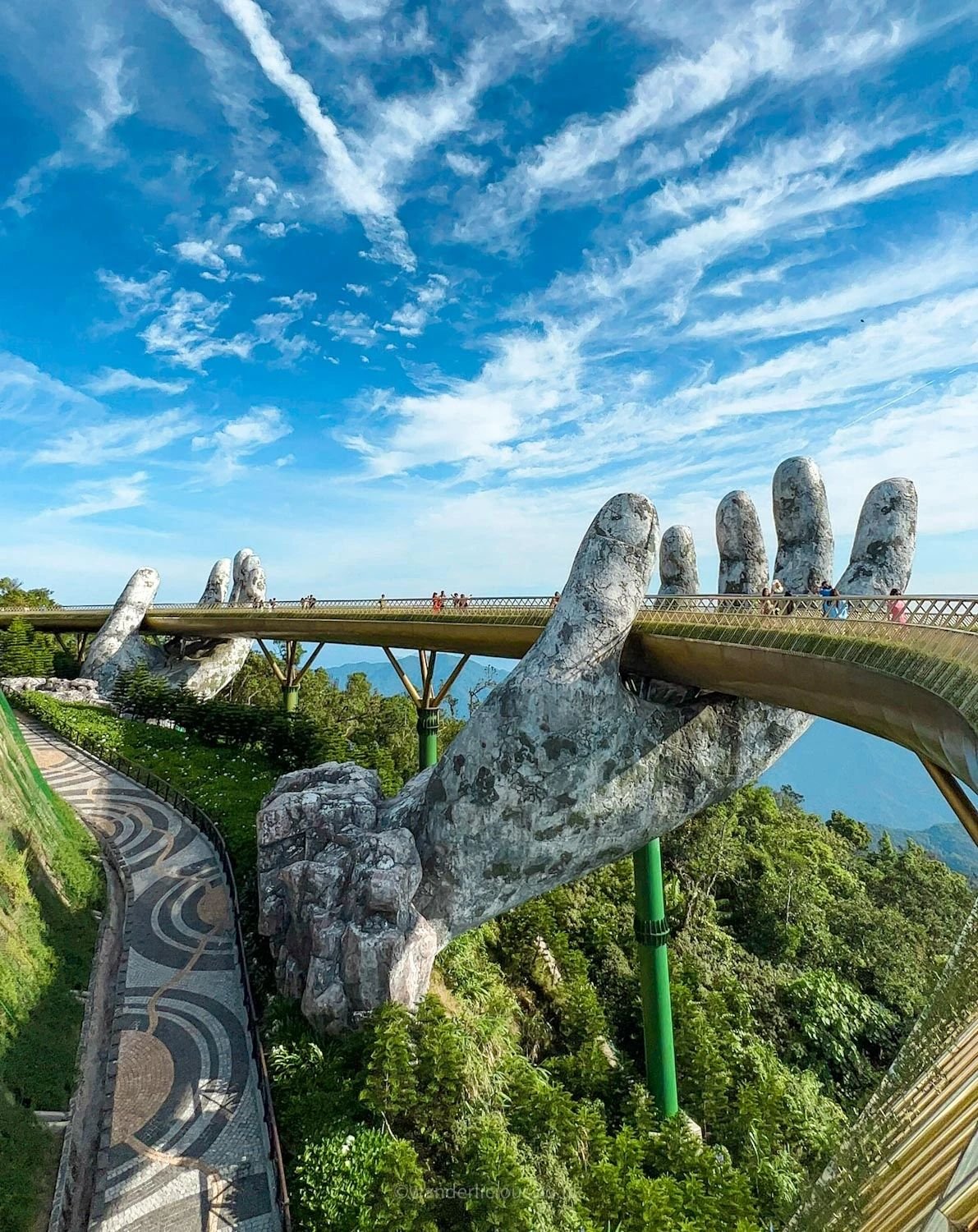
There is a quiet revolution happening in Indian outbound travel, and its name is Vietnam. While Thailand and Bali have long dominated the conversation around budget-friendly Southeast Asia, Vietnam has been quietly building its case, and in 2025–26, it is making one of the most compelling arguments in Indian travel.
What makes Vietnam special is its sheer variety. In a single trip, you can glide through the extraordinary limestone karsts of Ha Long Bay at dawn, wander the lantern-lit streets of ancient Hoi An at dusk, taste some of the most distinct and satisfying cuisine in Asia, and explore the chaotic, coffee-fuelled energy of Hanoi, a city that somehow manages to be ancient and electric at the same time.
For Indian travellers, particularly young couples, friends, and solo travellers, Vietnam offers something increasingly rare: genuine discovery. It is not yet overrun. The prices are remarkably low. And the experiences are extraordinary. This guide covers everything you need to plan a trip you will talk about for years.
Why Vietnam Is Having Its Moment Among Indian Travellers
Vietnam’s rise among Indian travellers is driven by several converging factors. Direct flights from Indian cities (particularly IndiGo and Vietjet Air) have made access easier and cheaper than ever. The country’s visa-on-arrival and e-visa processes have become more streamlined. And word-of-mouth from the first wave of Indian visitors has been uniformly enthusiastic; the food, the hospitality, the landscapes, and the value for money all exceed expectations.
Vietnam’s tourism infrastructure has also matured significantly. International hotel brands now operate across Ho Chi Minh City, Hanoi, Da Nang, and Hoi An. Luxury resort options on the coast have expanded. And the country has invested in making tourist areas comfortable and accessible without losing the authenticity that makes it special.
Best Time to Visit Vietnam from India
Vietnam’s geography means the weather varies dramatically by region. The country stretches over 1,600 kilometres from north to south, and different areas have different seasons.
For northern Vietnam (Hanoi, Ha Long Bay, Sapa): October to April is the best time for cool and dry weather. May to September brings summer heat and occasional typhoons.
For central Vietnam (Hoi An, Da Nang, Hue): February to May offers the best conditions, dry and warm before the summer heat. October and November bring heavy rain.
For southern Vietnam (Ho Chi Minh City, Mekong Delta), November to April is the ideal dry season with comfortable temperatures.
For a multi-city trip covering north to south, November to March gives you the best chance of good weather across all regions.
Top Destinations in Vietnam
Hanoi: Ancient Chaos & Extraordinary Coffee
Vietnam’s capital is a city of contradictions: French colonial architecture alongside Vietnamese street food stalls, communist-era monuments beside designer boutiques, and a coffee culture so refined it deserves its own itinerary. The Old Quarter’s 36 guilds streets, the tranquil Hoan Kiem Lake, the Ho Chi Minh Mausoleum, and the street food scene around Bun Cha Huong Lien are non-negotiable. Allow at least two nights.
Ha Long Bay: One of Earth’s Great Landscapes
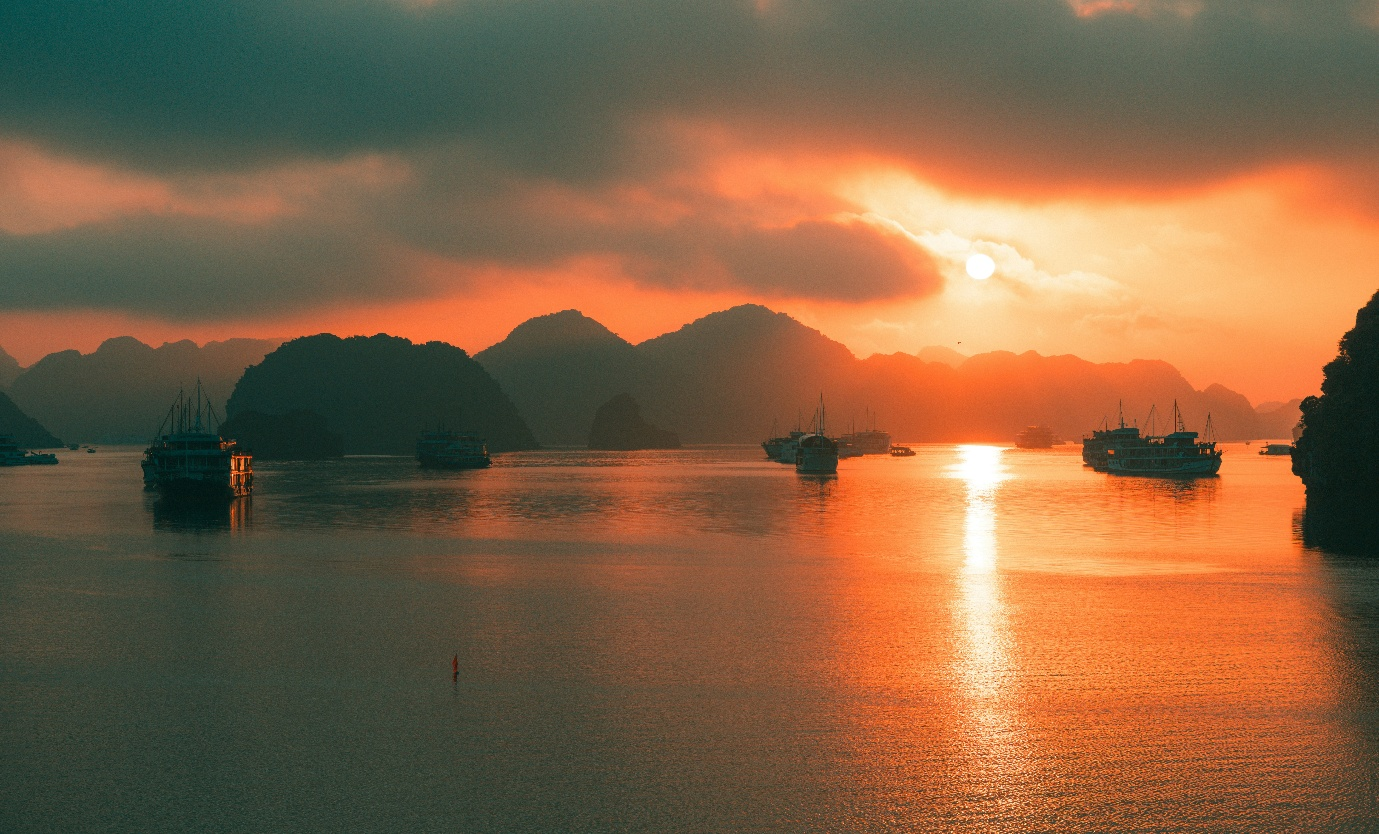
UNESCO World Heritage listed and widely considered one of the natural wonders of the world, Ha Long Bay’s 1,600+ limestone islands rising from jade-green water are an experience that photographs simply cannot replicate. An overnight cruise, anything from a well-priced traditional junk boat to a premium five-star vessel, is the recommended way to experience it. Kayaking through hidden caves, watching the sunrise from the deck with a coffee, and swimming in the shadow of karst formations are among travel’s genuinely unmissable moments.
Hoi An: The Town That Time Slowed Down
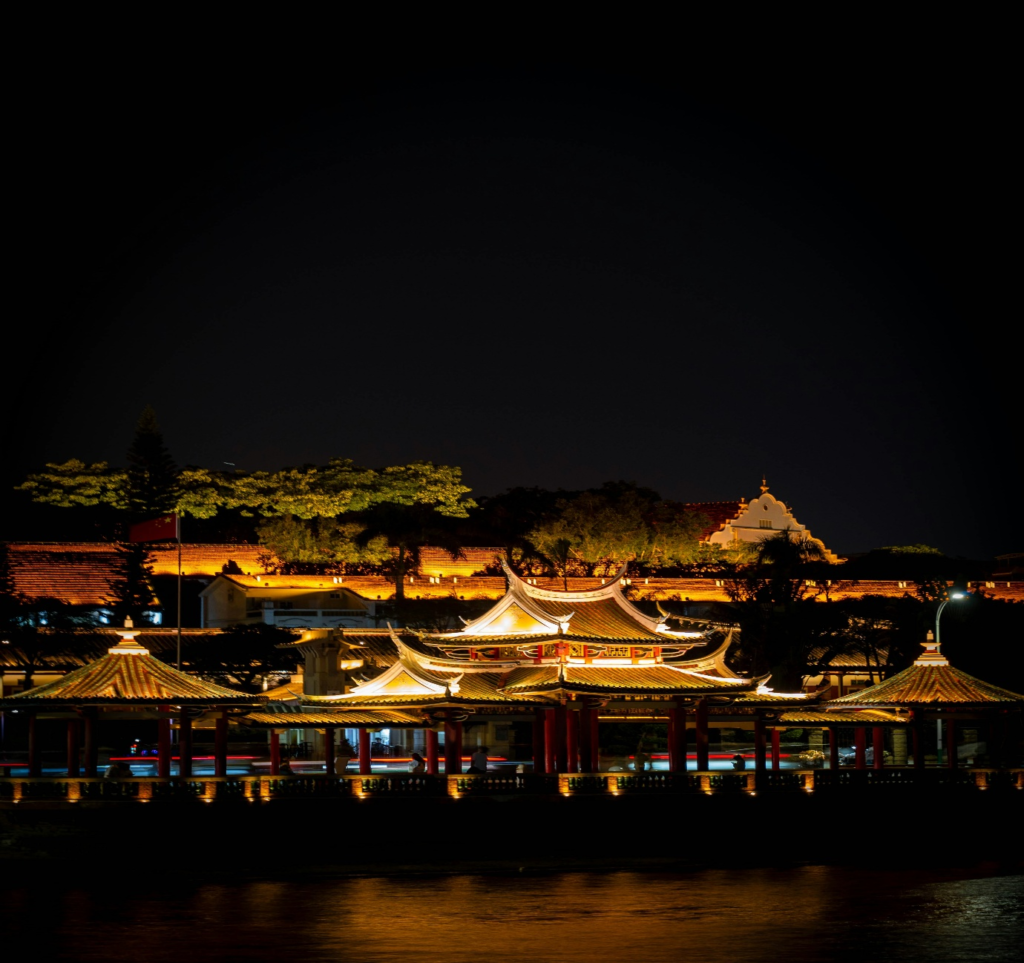
Hoi An is one of Southeast Asia’s most beautiful small towns and deserves at least two nights. The Ancient Town, a UNESCO World Heritage Site, is best explored on foot or by bicycle, past the Japanese Covered Bridge, silk lantern shops, and riverside restaurants. At night, the town transforms: paper lanterns cast warm gold light over the Thu Bon River, and the atmosphere is unlike anywhere else in Asia. Hoi An is also renowned for its tailors’ custom clothing made to measure overnight at prices that will genuinely surprise you.
Ho Chi Minh City: History, Energy & Vietnam’s Best Street Food
The South’s beating heart is a city in perpetual motion. The War Remnants Museum and the Cu Chi Tunnels offer profound historical context for anyone wanting to understand Vietnam’s 20th century. Bui Vien Street (the backpacker district) offers nightlife and street food at astonishing value. And the Ben Thanh Market area gives you local crafts, street food, and Vietnamese coffee in one place.
Vietnam Visa for Indian Travellers
Indian passport holders can apply for an e-visa to Vietnam online (evisa.xuatnhapcanh.gov.vn) for a maximum stay of 90 days. The fee is approximately USD 25, and processing typically takes 3 business days. Visa on arrival is also available via a Letter of Approval for airport entry. Roameaze assists all clients with Vietnam visa applications as part of the booking process.
Vietnamese Food: A Revelation for Indian Travellers
Vietnamese cuisine is one of Asia’s greatest and most distinctive food cultures, fresh, clean, herbaceous, and deeply satisfying. Pho (the aromatic noodle soup that is Vietnam’s national dish), Banh Mi (the French-Vietnamese baguette sandwich), Bun Bo Hue (spicy beef noodle soup), Cao Lau (a Hoi An speciality), Banh Xeo (sizzling crepes), and fresh spring rolls with peanut dipping sauce are dishes that Indian travellers consistently fall in love with. For vegetarians, Buddhist influence means many Vietnamese restaurants offer excellent plant-based menus.
Budget Expectations for Vietnam
Vietnam is one of Southeast Asia’s most affordable destinations. A 7-night Vietnam trip for two from India (mid-range), including return flights, hotels, internal transport, Ha Long Bay overnight cruise, and key activities, typically costs INR 1,10,000–1,70,000 for two people. This is an extraordinary value for the quality and variety of experience on offer. Luxury travellers can access premium cruise ships on Ha Long Bay, beach resorts at Da Nang, and five-star urban hotels for a still-competitive price compared to Europe or Japan.
Suggested 8-Day Vietnam Itinerary
Days 1–2: Hanoi
Old Quarter exploration, Hoan Kiem Lake, street food tour, and Hanoi egg coffee experience.
Days 3–4: Ha Long Bay
Overnight cruise — kayaking, cave exploration, sunrise on the deck, and swimming.
Days 5–6: Hoi An
Ancient Town on foot, lantern making class, tailors (order first, collect before you leave), cycling to An Bang Beach.
Days 7–8: Ho Chi Minh City
Cu Chi Tunnels, War Remnants Museum, Ben Thanh Market, evening on Bui Vien Street, departure.
Plan Your Vietnam Trip with Roameaze
Vietnam rewards travellers who plan the internal transport logistics thoughtfully, Ha Long Bay cruise selection, and accommodation choices in Hoi An make a significant difference to the overall experience. Roameaze handles all of this seamlessly, with a customised Vietnam itinerary built around your travel dates, interests, and budget.
Call / WhatsApp: +91 9990403060 | roameaze.com | ✉: -roameaze@gmail.com
Frequently Asked Questions- Vietnam
Q: Is Vietnam safe for Indian tourists?
Yes. Vietnam consistently ranks among Southeast Asia’s safer destinations. Tourist areas are well-managed, and the local population is famously hospitable.
Q: How many days are enough for Vietnam?
7–10 days is ideal for a multi-city trip. A focused trip to just Hanoi and Ha Long Bay can be done in 4–5 days.
Q: Is the food spicy in Vietnam?
Vietnam uses chillies but is generally less intensely spicy than Indian food. Most dishes can be adjusted to preference.
Q: Can I customise clothes in Hoi An for a short trip?
Yes. Tailors in Hoi An are remarkably efficient, and many can complete custom garments within 24–48 hours.