


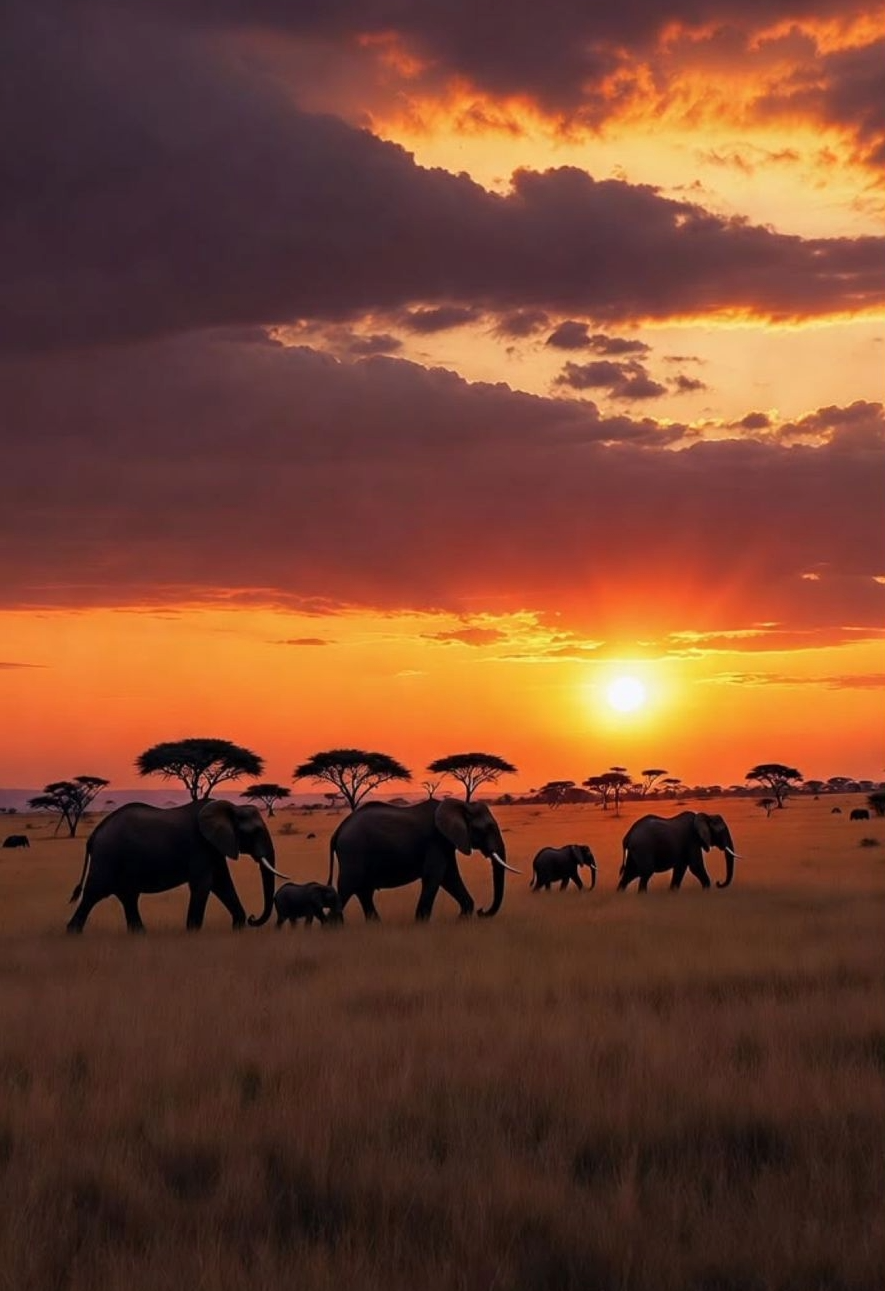
There is a particular kind of silence on the Serengeti at dawn, the kind that feels ancient and vast. You are sitting in an open safari vehicle, your tracker has killed the engine, and two hundred metres away, a pride of lions is waking up in the first light, their coats golden against the dry grass. Nothing in your previous travel experience has prepared you for this. Nothing in your photographs will fully communicate it.
This is Tanzania: the greatest wildlife spectacle on earth, a country that delivers experiences so profound they permanently expand your sense of what travel can be. For Indian travellers who have explored Asia and Europe and are looking for something genuinely transformative or for adventurous travellers wanting Africa for the first time, Tanzania represents the pinnacle.
At Roameaze, Tanzania is our most aspirational offering, and in 2025–26, we are seeing a steady and exciting rise in interest from Indian travellers who are ready for Africa. This guide is everything you need to plan yours.
Why Tanzania Is Africa’s Greatest Travel Destination
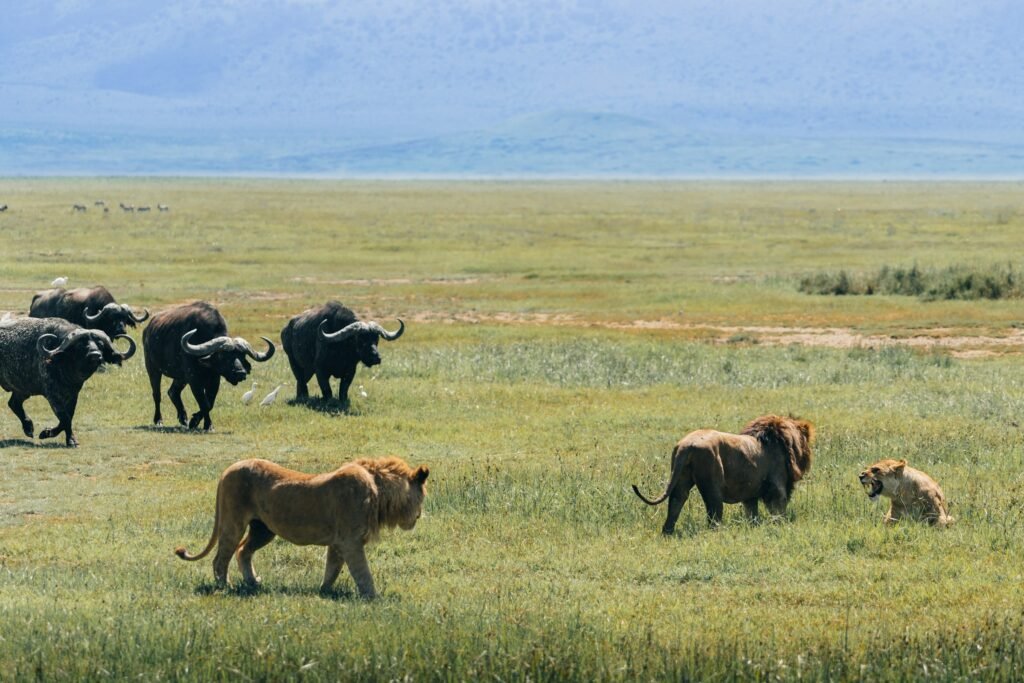
Tanzania is home to the Serengeti, which most wildlife biologists and safari operators consider the finest game reserve on earth. It hosts the Great Migration, the largest movement of wildlife on the planet: 1.5 million wildebeest, hundreds of thousands of zebra and gazelle, crossing the Mara River in a thundering, ancient cycle that repeats every year. It is one of nature’s great spectacles, available to any traveller willing to journey here.
Beyond the Serengeti, Tanzania offers Ngorongoro Crater (a vast, naturally enclosed ecosystem with one of Africa’s highest densities of wildlife, including the endangered black rhino), Mount Kilimanjaro (Africa’s highest peak and a trekking objective available to non-technical climbers), the Tarangire National Park (famous for its ancient baobab trees and extraordinary elephant herds), and Zanzibar the spice island archipelago with turquoise Indian Ocean beaches and one of the world’s most intriguing medieval towns.
Best Time to Visit Tanzania for Safari & Great Migration
The Great Migration follows a circular annual pattern through the Serengeti and into Kenya’s Masai Mara.
July – October:
The most famous migration crossing at the Mara River is the dramatic wildebeest river crossings, with high predator activity. Peak safari season; book 6–12 months ahead.
January – February:
The calving season in the southern Serengeti sees hundreds of thousands of wildebeest calves born in a short window, attracting cheetahs, lions, and hyenas. A profoundly moving spectacle.
June – October:
The dry season throughout Tanzania is ideal for game viewing as animals concentrate around water sources. Best visibility.
November – May:
Green season lower rates, fewer tourists, extraordinary bird life, and lush landscapes. Some roads can be difficult after heavy rains.
For Indian travellers, the classic combination is July–October for the Mara River crossing, or January–February for the calving season. Both deliver extraordinary wildlife encounters.
The Serengeti: An Introduction to the World’s Greatest Safari
The Serengeti covers approximately 14,750 square kilometres of rolling savannah, acacia woodland, and rocky kopjes (granite outcrops). The diversity of wildlife encounters is staggering: lions, leopards, cheetahs, elephants, buffalo, hippos, crocodiles, hundreds of bird species, giraffe, and the extraordinary spectacle of the wildebeest herds. Game drives at dawn and dusk (the prime activity hours) consistently deliver encounters that defy reasonable expectations. Witnessing a cheetah hunt, a leopard in a tree with its kill, or a herd of elephants moving silently through the bush at sunset are experiences that simply do not compare to any zoo or nature documentary.
Ngorongoro Crater: The World’s Largest Intact Caldera
Adjacent to the Serengeti, Ngorongoro is a 260-square-kilometre volcanic crater with a natural fence of 600-metre-high walls. Inside, the ecosystem is self-contained: lions, elephants, hippos, black rhinos, flamingos, wildebeest, and buffalo all coexist in a landscape of extraordinary diversity. Because the caldera holds its wildlife, sightings here are more reliable and concentrated than virtually anywhere else in Africa.
Zanzibar: The Perfect Safari Finale
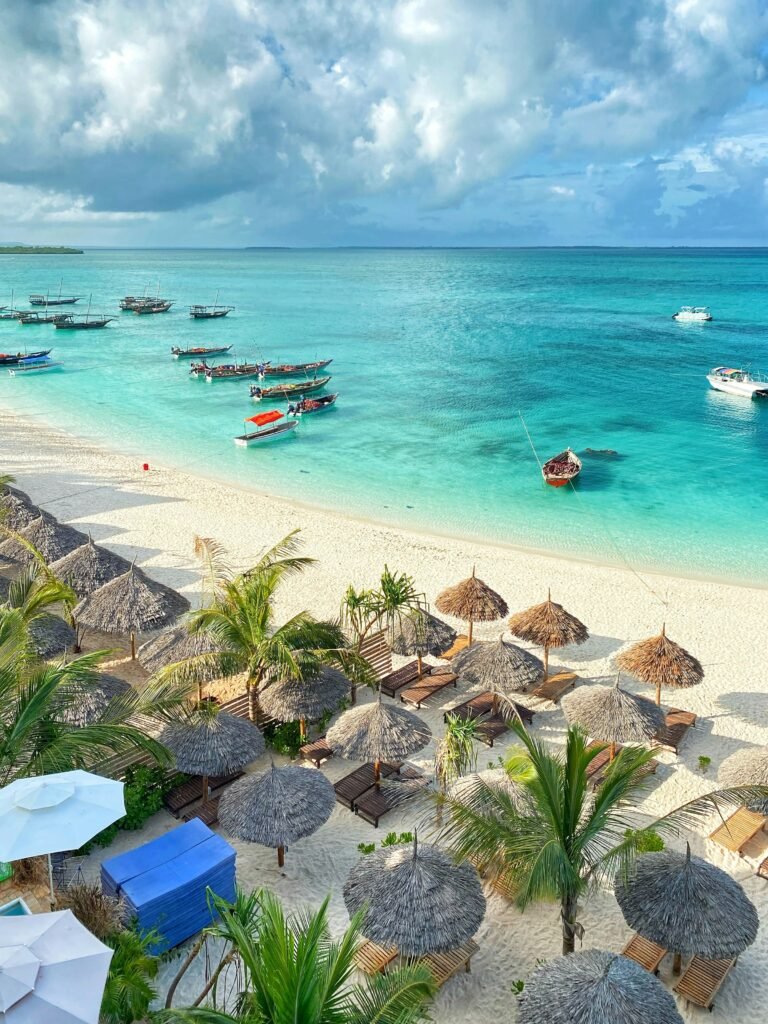
After the intensity of the safari, Zanzibar is the ideal conclusion. Stone Town, a medieval Swahili trading city with Arabic, Indian, and European architectural influences, is a UNESCO World Heritage Site and deeply fascinating to explore. The beaches of Nungwi and Kendwa in the north, and Paje in the east, offer some of the finest Indian Ocean beaches anywhere: turquoise water, white sand, excellent snorkelling, and a laid-back atmosphere. For Indian travellers, the Indian Ocean connection and the strong Indian merchant heritage visible throughout Zanzibar’s history make it particularly resonant.
Tanzania Visa for Indian Travellers
Indian passport holders require a visa to enter Tanzania. A tourist visa (valid for 90 days, single entry) can be applied for online through the Tanzania Immigration Services e-visa portal at approximately USD 50. Alternatively, a visa can be obtained on arrival at Julius Nyerere International Airport in Dar es Salaam or at Kilimanjaro International Airport. Roameaze handles Tanzania visa guidance and documentation review for all Africa-bound clients.
Budget Expectations for a Tanzania Safari
Tanzania safari travel is at the premium end of international travel, and understanding why helps set expectations. Safari camps in prime locations inside the Serengeti operate with very limited footprints (to protect the ecosystem), which means accommodation is limited and commands premium pricing. A mid-range Tanzania safari plus Zanzibar trip for two from India (10 nights), including international flights, in-country domestic flights, mid-range safari lodge accommodation in Serengeti and Ngorongoro, game drives, Zanzibar beach hotel, and visa, typically starts at INR 5,00,000–8,00,000 for two. Luxury tented camps (Singita, &Beyond, Four Seasons) cost significantly more and are among the finest hospitality experiences available globally.
Roameaze can design Tanzania itineraries across mid-range and luxury tiers, always ensuring the core safari experience is uncompromised.
Suggested 10-Night Tanzania Itinerary
Days 1–2: Arrival & Ngorongoro
Fly into Kilimanjaro or Arusha, overnight at Ngorongoro rim lodge, full crater game drive.
Days 3–5: Serengeti
Central Serengeti full-day game drives, sundowner on the kopjes, night in the bush under extraordinary stars.
Day 6: Serengeti Migration Zone
Transfer to north/south Serengeti (season dependent) for migration-specific game viewing.
Days 7–10: Zanzibar
Stone Town exploration, Spice Tour, beach time in Nungwi or Paje, dhow sunset cruise, snorkelling.
Why Plan Your Tanzania Safari with Roameaze
Tanzania safari planning is complex, including the right camp location relative to migration timing, the choice between tented camps and lodges, the ground logistics across a huge geographic footprint, and the coordination of internal flights, which requires expert knowledge. Roameaze’s Tanzania packages are built in partnership with trusted in-country operators who have decades of experience, ensuring your safari delivers the wildlife encounters and bush experiences that justify the journey.
This is not a trip to book through a generic online portal. It is a trip to build with someone who understands Africa.
Call / WhatsApp: +91 9990403060 | roameaze.com | ✉: -roameaze@gmail.com
Frequently Asked Questions – Tanzania
Q: Is Tanzania safe for Indian travellers?
Yes. Tanzania is one of Africa’s most stable and tourism-friendly countries. Safari areas are professionally managed and safe for international visitors.
Q: Is a Tanzania safari worth the cost?
For travellers who have always dreamed of Africa, the Serengeti safari delivers an experience that transcends any other. Most travellers describe it as the trip of their lives. The cost reflects the quality of the experience and the remoteness of the environment.
Q: Can vegetarians eat well in Tanzania?
Safari lodges and camps accommodate dietary requirements, including vegetarian and Jain, with prior notice. Zanzibar has good vegetarian options due to a strong Indian culinary influence.
Q: What is the best way to see the Great Migration?
An overnight camp in the northern Serengeti between July and October, with a full-day game drive focused on the Mara River crossing points, gives the best chance of witnessing the river crossings. Our Tanzania specialists can guide exact timing based on your travel dates.